





One of my earliest food memories is sitting at the kitchen counter, spooning grated Parmesan cheese into my mouth as a child while my mom cooked dinner. As someone who grew up in an Italian household, Parm — real, whole blocks of aged Parmigiano-Reggiano — is as much a pantry essential as salt, pepper, or oil.
While I always keep several blocks of Parmesan at home, I never thought to bring it to the backcountry. While working on an article for GearJunkie, however, I decided to take a block on a backpacking trip, and it changed everything. Now, no packing list for a trip is complete without a hunk of Parmesan, and I firmly believe it’s worth the weight and space in your pack.
This is not some sponsored ad by Big Parma. It’s just my new favorite backpacking hack, and I needed to share it with the world.
Backpacking With Parmesan: Origins of the Obsession
Earlier this year, I was working on a GJ article about zero-waste backpacking. I aimed to produce as little trash as possible while on a 4-day backpacking trip in California.
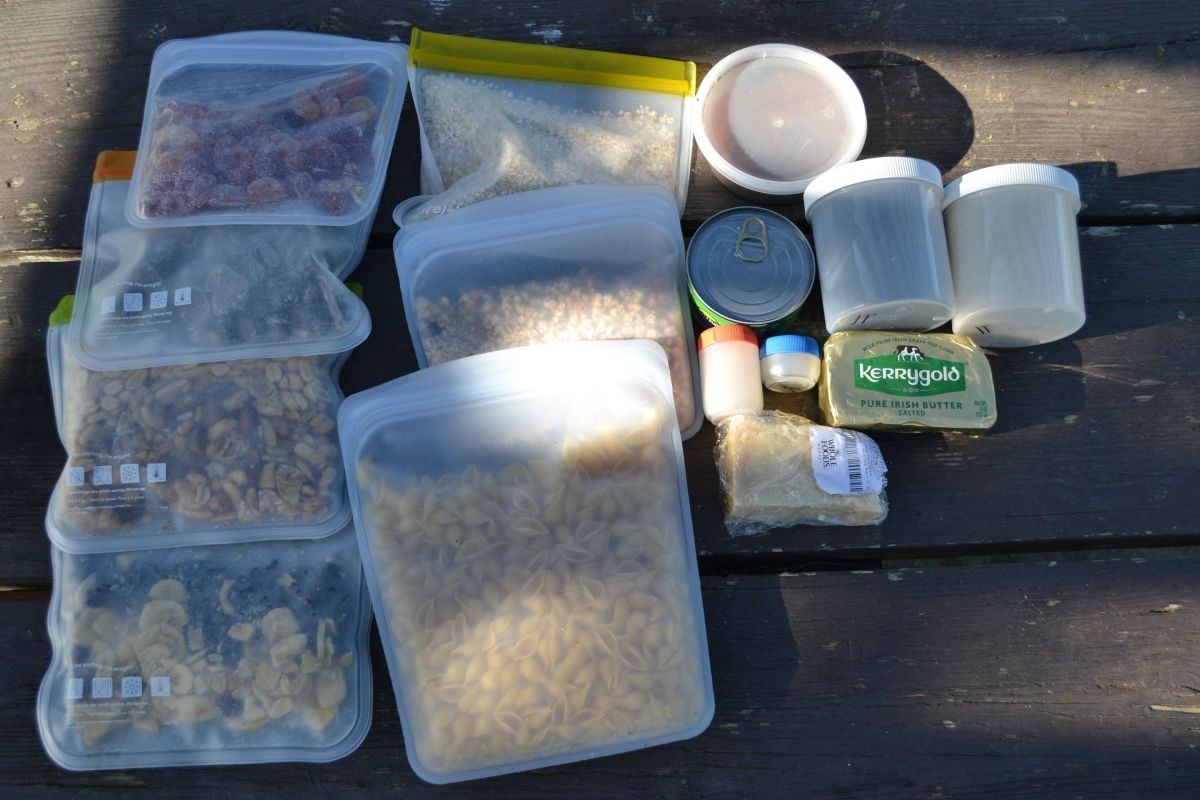
In preparation, I had grabbed rice and pasta from the bulk bins at my local grocery store. To add calories, fat, and flavor without creating much waste, I allowed myself one large block of Irish butter and a hunk of Parmesan, since they came in minimal packaging.
I used those items to make what I affectionately call “dirtbag mac ‘n’ cheese.” I cooked pasta in my pot until it was done. Then I drained it, keeping a little pasta water. I added butter and parmesan cheese and stirred until it made a kind of sauce. Finally, I added in some garlic powder and black pepper.
Honestly, it was better than several dehydrated meals I’ve had in the past. After eating this for a few days, I became a disciple of the church of Parmigiano-Reggiano.
Why Bring Parmesan?
Besides the obvious fact that this is a delicious, tasty cheese, there are several reasons why it’s become a staple in my pack. While its flavor is best preserved if stored in the fridge, since Parm is a very hard cheese, it’s safe to store in whole blocks at room temperature for a few days. I’ve eaten Parmesan that’s been unrefrigerated for a week, and felt totally fine.
But don’t take my word for it. According to the Parmigiano Reggiano Consortium, the cheese can be left at room temperature for several days without suffering any damage. Be sure to wrap it tightly; my favorite method is these reusable bags from Target.
Tragically, I both love cheese and am lactose intolerant. Parmesan is one of the few cheeses I can eat without upsetting my stomach. In the manufacturing process, all the lactose in the cheese is converted to lactic acid, so the cheese is naturally lactose-free.
Nutrition
From a nutrition perspective, Parmesan punches above its weight. A 1-ounce serving provides 10 g of protein, more than 1 ounce of chicken (9 g) or nuts (6 g). While backpackers typically focus on eating carbs for energy (and that’s certainly important), they also shouldn’t overlook their protein intake. Getting adequate protein is important for muscle recovery after long days on the trail.
One ounce also has 7 g of fat and 111 calories. When you’re doing high-mileage days on the trail, it can be difficult to get in enough calories, and a calorie-dense food like Parmesan can help. One ounce also has 26% of your daily value of calcium.
Flavor
Let’s face it: Even the best packaged backpacking meals begin to taste lackluster after several days on the trail. When rehydrated pasta and rice dishes start to feel blah, Parm brings a boost of flavor.
True Parmesan is aged for 24 to 36 months, and this aging process produces those salty little crystals that make the cheese so delicious. Essentially, in the aging process, tyrosine, an amino acid present in milk proteins, breaks down and crystallizes.

It’s widely recognized that Parmesan is an excellent source of “umami,” the fifth flavor whose savory, slightly meaty profile adds instant depth to food. According to a 2024 scientific study, umami is more complex than the other four flavors (sweet, salty, sour, and bitter) and actually enhances them.
“Adding umami flavor enhancers can be a compelling option to increase the taste of low-sodium products, as it can amplify the perceived salty [nature of a food],” the study explained.
I find that after days on the trail, eating gummies and granola, I’m craving salt and umami, and Parmesan quickly satisfies that hankering.
For lunch on the trail, I don’t like to cook, since it takes too much time. I do, however, need something substantial to keep me going. I typically cut off several slices of Parmesan with my knife, sandwich that between some pretzels, and add some salted nuts or salami. It’s my version of a trail charcuterie board, and it always hits the spot.
Cost
I wouldn’t call true Parmigiano-Reggiano imported from Italy cheap. It retails for $22 a pound at my local store.
However, an $11 half-pound block will last me for an entire week on the trail. That’s less than the price of just one freeze-dried backpacking meal, which can retail from $12 to $17. You don’t need to add much to pasta or ramen for it to deliver a “wow factor.” Yes, you’re paying a premium, but that is because it is a high-quality, well-made ingredient.
Good Vibes
We all have those foods that remind us of our childhood or of home, and make us feel warm and fuzzy. Parm is that food for me. Backpacking can be mentally challenging, and food can be a major source of emotional energy and comfort.
When I was backpacking on Catalina Island, I had to sleep in a pit toilet because a raging storm threatened to destroy my tent. Let’s just say waking up with my head next to a toilet was an emotional low point. Munching on Parm didn’t change the reality of the situation, but it put a smile on my face for a few minutes. It felt like a treat, and something from the “real world” that reminded me I wasn’t just a robot cranking out miles, day after day.
The Final Word on Parm
Ultra-lighters might scoff at the idea of bringing a half-pound of cheese with them on a hike. But I will happily carry a few extra ounces for everything I get out of Parmesan.
While every item in my backpack serves a purpose, there’s only one item in my kit that delivers nutrition, energy, and positivity — and I can get it at almost any grocery store.
Read the full article here
