




Idaho hunters have a new set of technology rules coming this fall. Gov. Brad Little signed House Bill 939 into law on April 2. The measure takes effect July 1, 2026, and limits the use of certain hunting technologies from Aug. 30 through Dec. 31 each year.
During that fall window, hunters can’t use thermal imaging, night vision, drones, or transmitting trail cameras to hunt or scout big game animals or game birds. The bill passed the Idaho House 67-1 and the Senate 29-6.
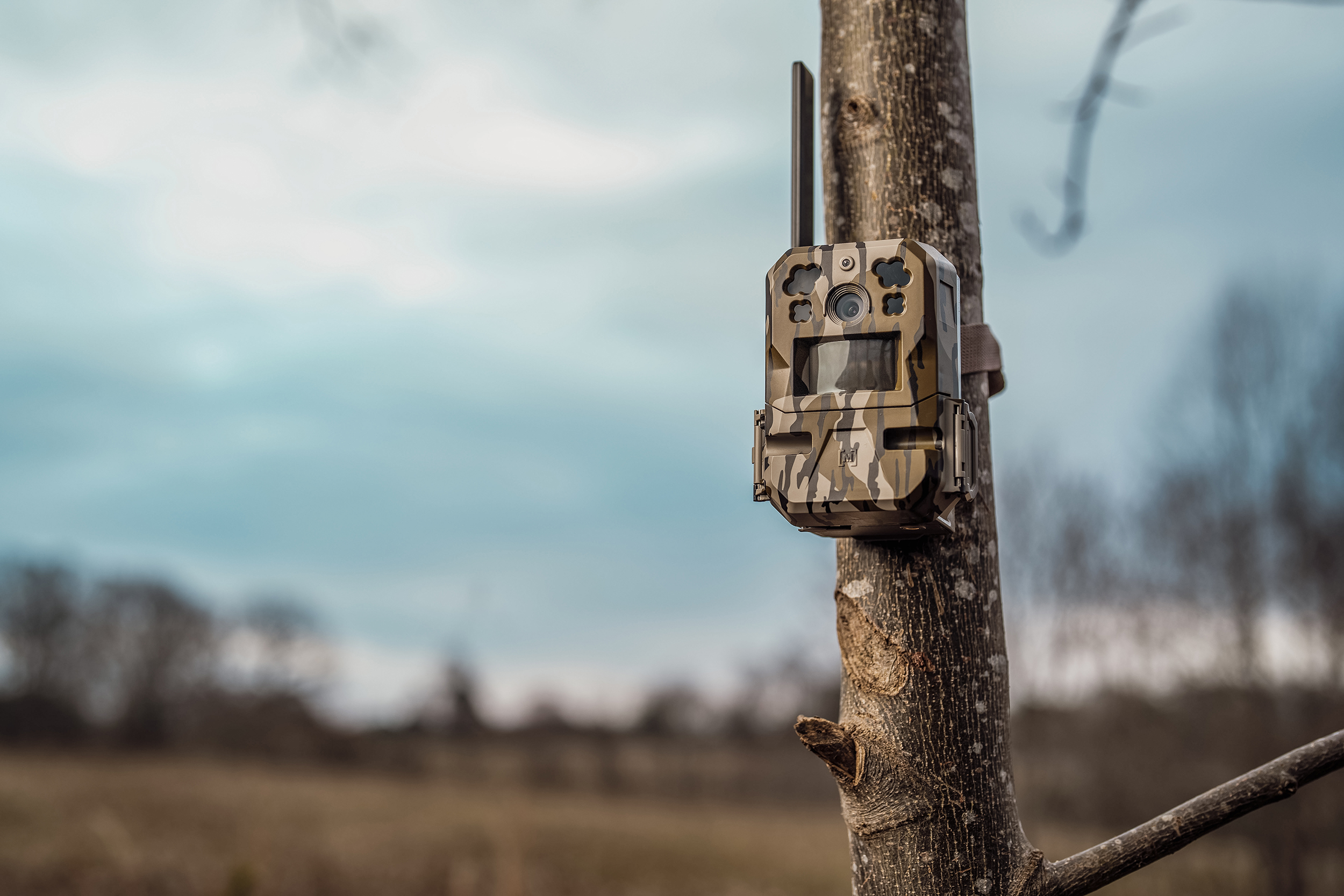
The trail camera language deserves a close read by hunters (and other game cam users). Idaho didn’t ban all trail cameras. HB 939 targets transmitting trail cameras on land owned by the federal government, the state of Idaho, or local governments within the state during the specified time window.
Traditional trail cameras that store photos or videos on SD cards are not included in that restriction.
What the Law Restricts
HB 939 amends Idaho Code Section 36-1101, which covers unlawful methods of taking wildlife. From Aug. 30 through Dec. 31, hunters can’t use thermal imaging, night vision, transmitting trail cameras on government-owned land, or drones to hunt or scout big game animals or game birds.
Idaho Fish and Game has described transmitting trail cameras as cameras linked by cell service or the internet. That setup allows users to view images from a remote location in real time.
That puts cellular trail cameras in a different category than standard trail cameras that require someone to pull an SD card.
Violations fall under Idaho’s fish and game misdemeanor penalties. Idaho Code lists those penalties as a fine of $25 to $1,000 and up to 6 months in jail, unless a higher penalty applies. A court may also revoke hunting, fishing, or trapping privileges for up to 3 years.
What Idaho Still Allows
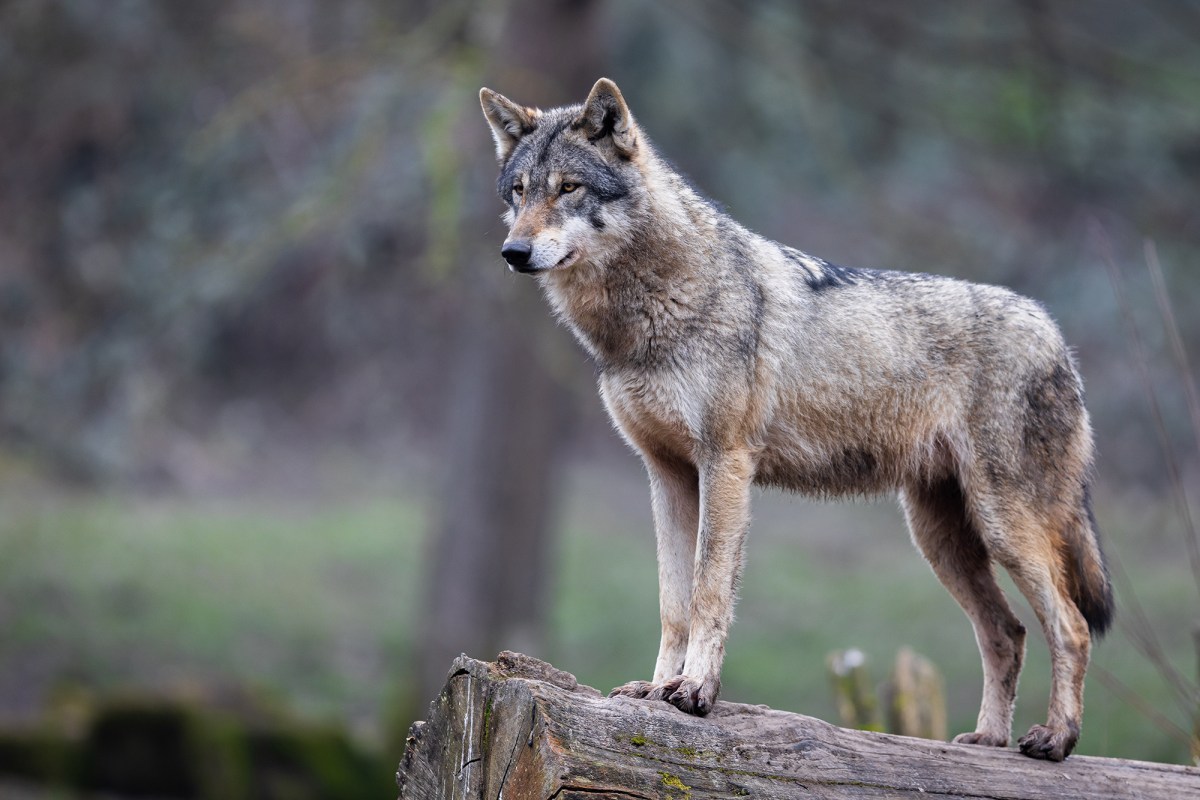
HB 939 includes several exemptions. The restrictions do not apply when someone uses the listed technologies to hunt wolves, mountain lions, or predatory wildlife. The measure also allows the use of those tools for monitoring, preventing, or controlling damage to livestock, domestic animals, or crops.
People can also use the listed technologies to retrieve wounded game animals or game birds, monitor buildings or personal property for theft, and monitor traps.
So, the rule is targeted and, some might say, complicated. It applies to specific tools, lands, species, dates, and uses.
What Brought on the Change?
Idaho Fish and Game has been reviewing hunting technology and fair chase through its Hunting and Advanced Technology Working Group.
The agency said more than 750 people applied to serve on the group. Members included traditional archers, competitive long-range shooters, houndsmen, trappers, deer and elk hunters, bear baiters, wolf hunters, and others.
The group looked at how advancing technology affects hunter success, fair chase, and wildlife management. Idaho Fish and Game has said agencies have limited tools when technology changes harvest pressure. Those tools include equipment restrictions, season timing, season length, and tag numbers.
HB 939 puts Idaho’s answer into law. Rather than waiting to adjust seasons or tag numbers later, lawmakers limited some tools during part of the hunting season.
The Bigger Picture
Idaho is one of several Western states trying to define where hunting technology fits within the framework of fair chase and wildlife management.
Cellular trail cameras, drones, thermal imaging, and night vision give hunters more information than they had a generation ago. Wildlife agencies now have to decide when those tools create too much advantage.
Read the full article here
