



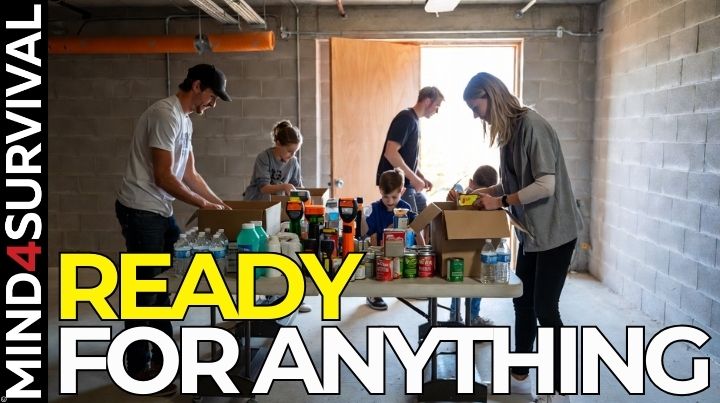

When a tornado warning sounds, the minutes that follow are critical. Having everything you need in one place removes any uncertainty, allowing you to act with effective confidence. An emergency kit is not just a collection of supplies. It is a system designed to support you and your family when you are at your worst.
Building a tornado emergency kit is one of the most practical steps you can take to prepare for severe weather. It is an act that turns your worry about the future into positive action today. This guide will walk you through creating a comprehensive kit, ensuring you have the essentials to weather the storm and its aftermath.
TL;DR: A tornado emergency kit is essential for safety and peace of mind. Stock water, non-perishable food, first-aid, important documents, and supplies for every family member—including pets. Review and update your kit regularly for dependable readiness.
Quick Look at What You’ll Learn
The Foundation: Building Your Core Kit
Your tornado emergency kit should be portable and easily accessible. A large duffel bag, a sturdy plastic container, or a large backpack works well. The goal is to have everything you need to be self-sufficient for at least 72 hours.
Here is a checklist of essential items to get you started.
Water and Food
- Water: Plan for 1 gallon of water per person per day for at least 3 days.
- Non-Perishable Food: Pack a three-day supply of food that requires no cooking or refrigeration. Think protein bars, dried fruit, nuts, canned meats or fish, and crackers. Don’t forget a manual can opener.
Light and Communication
- Flashlights: Pack multiple flashlights with extra batteries. LED flashlights are durable and long-lasting. Be sure to add a headlamp too.
- NOAA Weather Radio: Your most reliable source for weather updates and emergency information, especially when power and cell service are down. Choose a battery-powered or hand-crank model. Personally, I prefer the battery-powered as it can take a lot of cranking to get a hand-crank radio powered up for a while.
- Whistle: A whistle is a simple yet powerful tool for signaling for help if you need it.
First-Aid and Sanitation
- First-Aid Kit: You can buy a pre-made kit or build your own. It should include adhesive bandages, sterile gauze pads, antiseptic wipes, splints, pain relievers, and any personal medications.
- Sanitation Supplies: Pack moist towelettes, small garbage bags (for poop), large bags (for trash), plastic ties, and personal hygiene items.
Tools and Safety Items
- Multi-Tool or Pliers: Useful for turning off utilities or making minor repairs.
- Dust Masks: To help filter air contaminated with dust and debris.
- Work Gloves: To protect your hands from broken glass and debris.
- Safety Glasses: We only have two eyes. It’s important to protect them.
- Blankets or Sleeping Bags: Emergency blankets are lightweight and retain body heat.
Personalizing Your Kit for Your Family
A truly effective emergency kit is tailored to your household’s specific needs. Preparedness is not a one-size-fits-all solution. It is about creating a plan that works for you and your loved ones.
For Families with Children
- Comfort Items: Include a favorite toy, book, or blanket for each child. These items provide a sense of normalcy and comfort in a stressful situation.
- Activities: Pack simple games, coloring books, or cards to help pass the time.
- Baby Supplies: If you have an infant, pack formula, diapers, bottles, child-size dust masks, and any necessary medications.
For Households with Pets
Your pets are part of the family, and their needs must be included in your plan.
- Food and Water: Pack a three-day supply of your pet’s food and extra water.
- Medications and Records: Include any necessary medications and copies of vaccination records in a waterproof bag.
- Leash and Carrier: A sturdy leash is essential, and, if you have room, a carrier is ideal for keeping your pet secure.
- Comfort Items: A favorite toy or blanket can help reduce your pet’s stress.
For Individuals with Special Needs
- Medications: Pack at least a week’s supply of all prescription medications, along with a list of dosages.
- Medical Equipment: Include backup batteries for any essential medical devices, such as hearing aids or mobility equipment.
- Important Documents: Keep copies of medical records, insurance information, and emergency contacts.
- Personal Support Network: Create a list of friends or family members who can assist you in an emergency.
Important Documents and Cash
In the aftermath of a storm, you may not have access to digital records or ATMs. A “Documents Go-Bag” is a crucial component of your emergency preparations.
- Copies of Important Papers: Include copies of birth certificates, passports, social security cards, insurance policies, and deeds or titles. Store these in a waterproof, portable container or bag.
- Cash: Keep a supply of small bills on hand. Credit card machines and ATMs may not be working after a disaster.
- Emergency Contact List: Include phone numbers for family, friends, doctors, and your insurance agent.
Storing and Maintaining Your Kit
Where you store your kit is just as important as what is inside it. You need to be able to grab it and go at a moment’s notice.
- Primary Location: The best place to store your main kit is in or near your designated storm shelter, whether that is your basement, an interior closet, or a safe room.
- Secondary Kits: Consider keeping smaller, more portable kits in your car and at your workplace. You never know where you will be when a disaster strikes. When it comes to secondary kits, you want to be mindful of leaving any important documents in areas that may not be the most secure.
Preparedness is an ongoing process, not a one-time task. Review your kit at least once every six months.
- Update Food and Water: Rotate out items nearing their expiration dates.
- Check Batteries: Test the batteries in your flashlights and radio, and replace them as needed.
- Re-evaluate Your Needs: As your family and the seasons change, so will your needs. Update your kit to reflect any new additions, medical conditions, or personal requirements. If you update your kit with the change of seasons, you shouldn’t be caught unprepared if anything happens.
By taking these practical steps, you build resilience and peace of mind. A well-stocked, properly maintained tornado emergency kit is a tangible expression of your commitment to protecting yourself and your family.
Additional Resources
Read the full article here
