



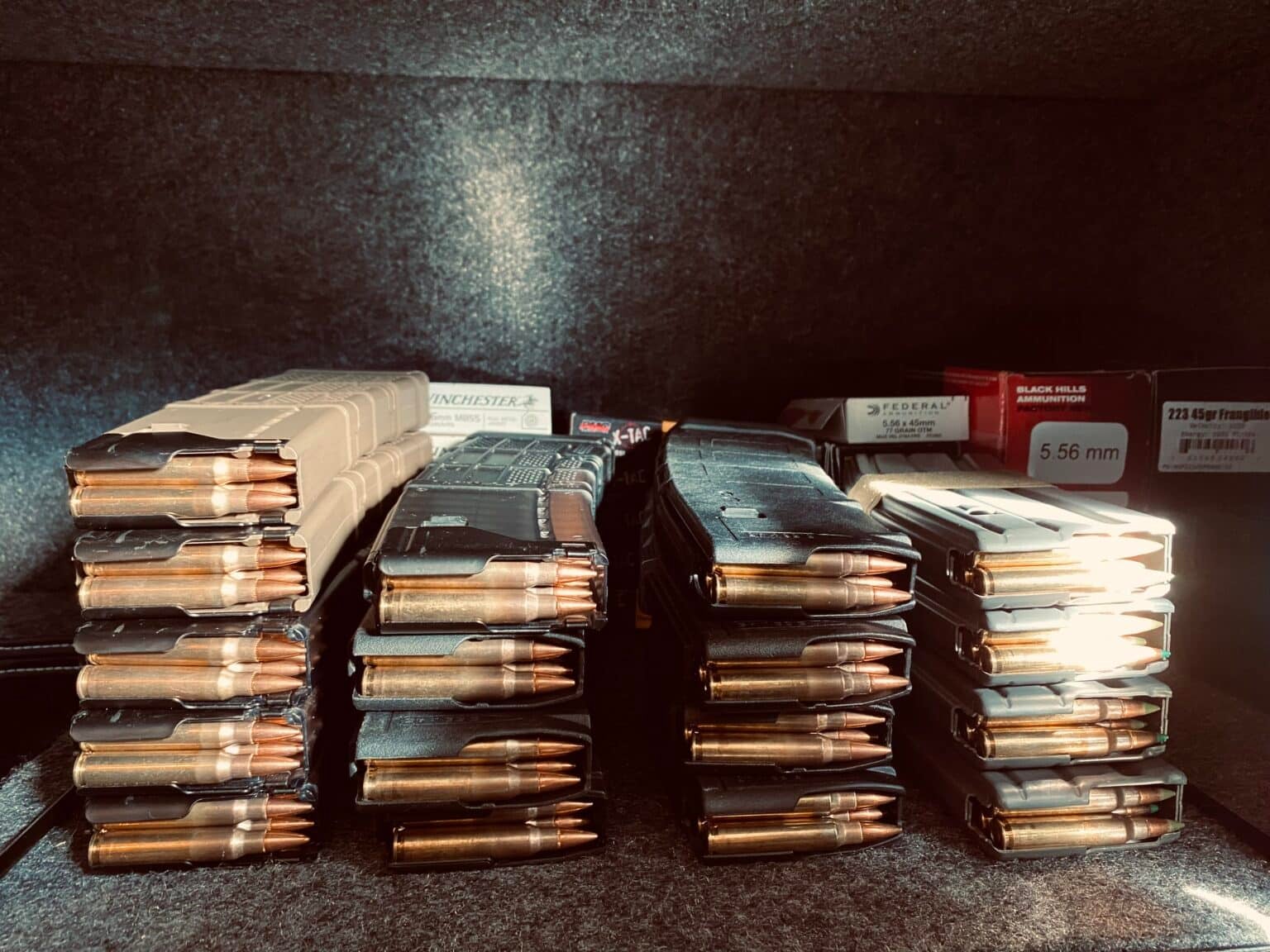

If you’ve spent any time around gun owners, you’ve probably heard the debate: Should you store your magazines fully loaded, or will it wear out the springs?
Some shooters insist that leaving magazines loaded for long periods will weaken the spring, while others argue that it’s completely fine.
So, what’s the real answer? Let’s settle this once and for all.
Will Storing Magazines Loaded Wear Out the Springs?
No, storing magazines fully loaded will not ruin them.
The idea that keeping a magazine loaded will “wear out” the spring is a common misconception. The real wear and tear on magazine springs comes from cycling — loading and unloading rounds repeatedly. Springs in quality magazines are designed to stay under compression for extended periods without losing their strength.
Think about it this way: a valve spring inside an engine sits compressed for the life of the motor when it’s not cycling. That static compression isn’t what kills it — it’s the constant open-and-close cycling that causes fatigue over time.
The same logic applies to magazine springs. Load your mags and store them without worry.
What Actually Causes Magazines to Fail?
If leaving magazines loaded isn’t the problem, what actually causes them to fail?
- Constant loading and unloading: This repeated cycling fatigues the spring over time.
- Poor-quality springs: Cheaply made springs can lose tension faster, so always stick to reliable manufacturers.
- Corrosion and rust: Storing magazines in humid or salty environments without proper maintenance can lead to rust, which affects feeding and function.
- Polymer feed lip deformation: Some all-polymer magazines can experience feed lip creep under prolonged pressure, though quality brands are designed to address this issue.
On the spring metallurgy side: quality magazine springs are wound from high-carbon music wire — a product drawn from spring steel — specifically engineered to maintain tension under static load. What degrades these springs isn’t sitting compressed; it’s the repeated stress cycles of loading and unloading. That’s where fatigue failure originates.
That said, not all springs are equal. Springs wound from lower-grade wire without proper heat treatment can experience “set” — a permanent shortening of the free length — under sustained compression. If you’re storing mags long-term, it’s worth periodically checking that the spring still feeds with authority. A 10% or greater loss of free length compared to a fresh spring from the same lot is a warning sign worth acting on.
Metal vs. Polymer Magazines: Which Are Better for Long-Term Storage?
Not all magazines are created equal, and the material used for the feed lips can impact long-term durability.
Metal feed lips (like those on BCM or USGI-spec aluminum mags) hold their geometry well under sustained pressure and don’t creep. The tradeoff is susceptibility to corrosion if stored in humid conditions without maintenance.
Polymer feed lips (like Magpul PMAGs) are corrosion-proof and extremely durable under normal use, but some all-polymer designs can experience minor feed lip creep under years of sustained compression. Quality manufacturers design against this — most PMAG users who’ve stored them loaded for years report zero issues — but it’s the one area where polymer has a theoretical disadvantage over metal.
Hybrid designs (like Lancer’s AWM series) use steel-reinforced polymer feed lips specifically to get the corrosion resistance of polymer with the dimensional stability of metal, making them an excellent long-term storage choice.
How to Store Loaded Magazines the Right Way
If you’re storing loaded mags, you want to ensure they’re protected from moisture in the air. Here’s how to do it right:
Use Ammo Cans for Magazine Storage
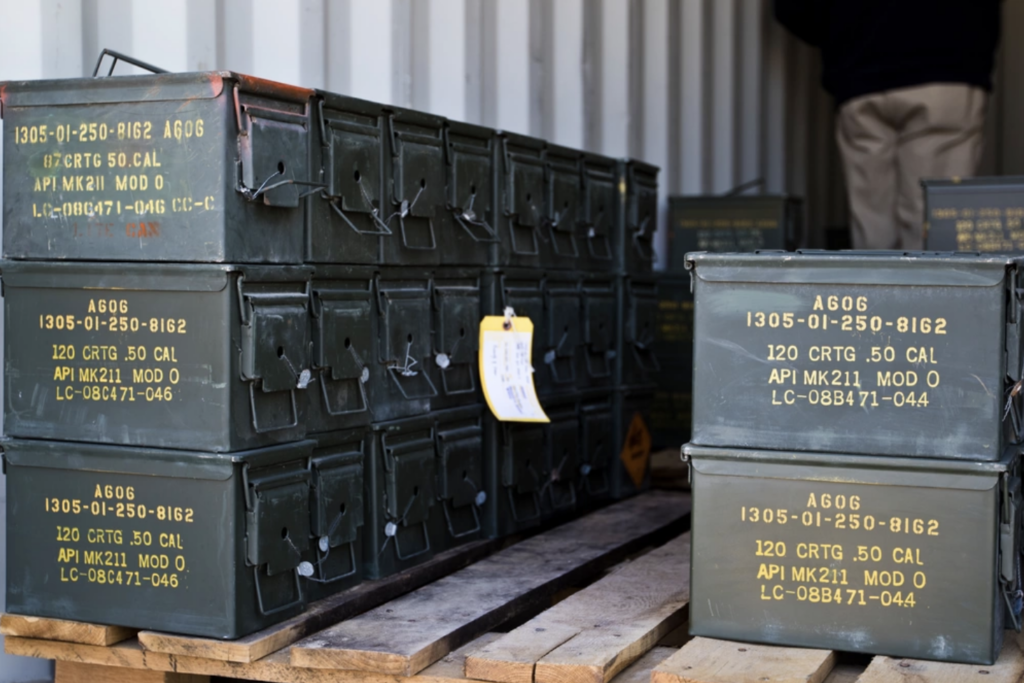
Military-style metal ammo cans are an excellent choice for storing loaded mags. They seal well, are stackable, and can be easily secured.
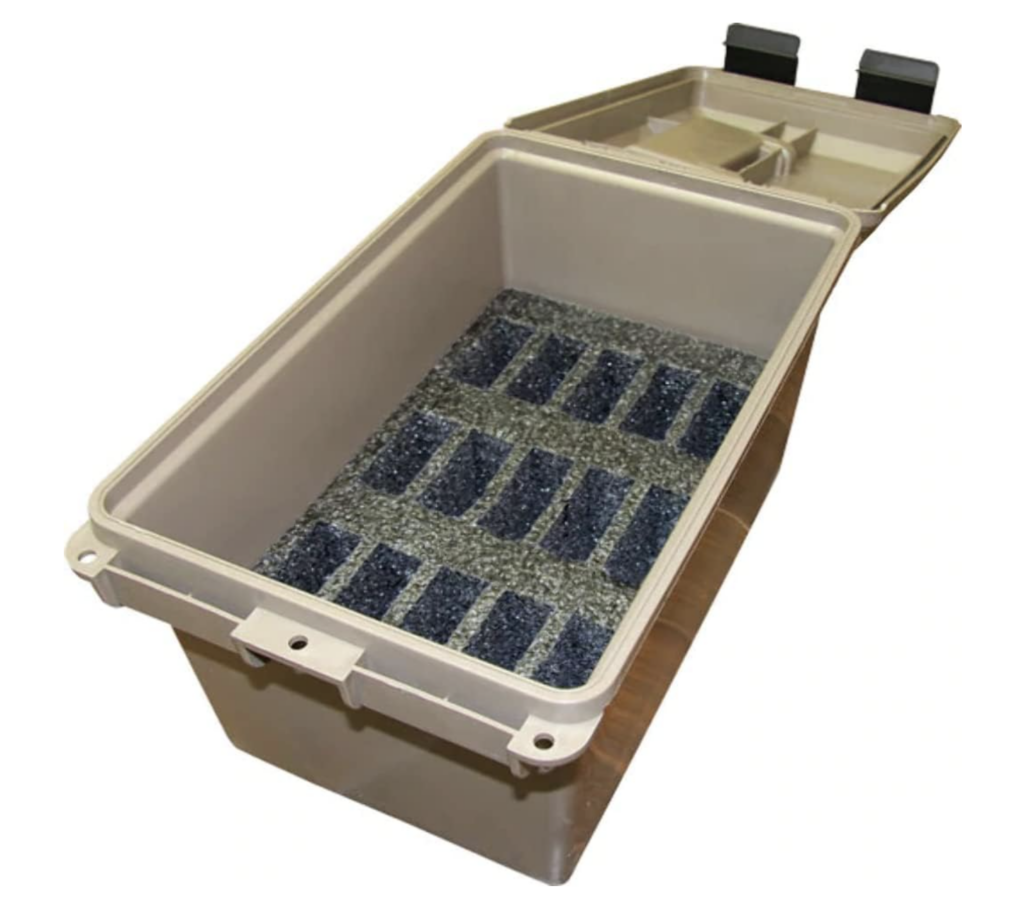
For those who prefer a lighter option, MTM makes dedicated magazine storage cases with foam inserts to keep mags organized and upright.
Control Humidity to Prevent Corrosion
Humidity is the enemy of metal springs and mag bodies. If you’re storing your mags in a gun safe or storage locker, throw in a dehumidifier.
Keeping moisture under control will ensure your mags, especially the old-school metal mags, are around for the long haul, whether loaded or not.
Regularly Rotate and Check Your Mags
Even though leaving magazines loaded isn’t a problem, it’s still a good habit to inspect them periodically. Every few months, do a quick check:
- Ensure springs are still functioning properly.
- Look for rust, dirt, or debris inside the mag body.
- Wipe down metal mags with a light coat of oil if needed.
Final Verdict: Should You Store Your Magazines Loaded?
Yes. Absolutely.
Quality magazines are built to handle the stress of being stored loaded. It’s repeated cycling — loading, unloading, and firing — that causes wear, not static compression. Load them up, store them properly, keep moisture in check, and do a quick inspection every few months. When you need them, they’ll be ready.
Read the full article here
