




The White House announced a new director of the National Park Service (NPS) last week — and parks advocacy groups are not happy about the choice.
Hospitality executive Scott Socha is President Trump’s pick to lead the NPS, according to a list of new federal appointments announced on Feb. 11. Unlike many past directors of the NPS, Socha has no apparent experience in public service or conservation.
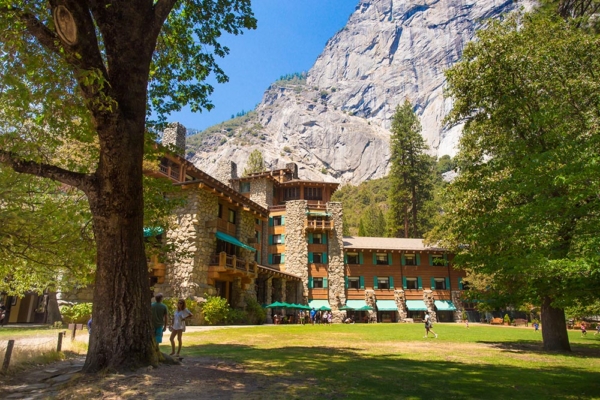
Moreover, Socha’s company, Delaware North, specializes in hotels and resorts, many of which are located within national parks. Delaware North has even successfully sued the NPS over the ownership of iconic names, including “Yosemite National Park.”
The Senate must still confirm the nomination of Socha, who is “totally qualified” to implement Trump’s plans for the parks, a White House spokesperson told GearJunkie on Tuesday. “Scott looks forward to implementing America First initiatives, such as increasing park access for American families, reducing permitting burdens, and raising money for conservation projects,” spokesperson Taylor Rogers said.
However, parks groups point out that Trump’s plans for the park service have also included a proposed $900 million cut, which parks organizations have said would shutter hundreds of NPS sites around the country.
Delaware North Lawsuit Against NPS
In 2019, the National Park Service resolved a years-long lawsuit brought by Delaware North. The lawsuit began in 2015 after the hospitality company, which had long operated several facilities within Yosemite National Park, lost a renewal of its contract to a rival.
As a result, Delaware North sued. The company claimed that when it took over operations in 1993, it was required to purchase the previous operator’s intellectual property, including the names of attractions, the Los Angeles Times reported in 2019. Delaware North demanded $50 million to allow Yosemite’s new operator to continue using the names “Yosemite National Park,” “Ahwahnee Hotel,” and “Curry Village.”
The suit ended with a $12-million settlement paid to Delaware North by the NPS.
Given Socha’s long career with Delaware North, Senators “must approach this nomination with the utmost skepticism,” Center for Western Priorities’ deputy director Aaron Weiss said in a written statement: “Our public lands belong to all Americans, not the concessionaires who try to trademark and cash in on the names of our nation’s crown jewels.”
Other groups, including the National Parks Conservation Association and the Save Our Parks campaign, have also questioned Socha’s nomination.

Scott Socha’s Career
Socha has been working for Delaware North for 27 years, according to the company’s website. He currently runs the Parks and Resorts division of the company, which “provides hospitality services in seven national parks, three state parks, and operates Kennedy Space Center Visitor Complex for NASA,” according to Socha’s bio. The division also owns and operates lodgings right outside of five national parks, including the Tenaya resort at Yosemite.
Socha helped Delaware North acquire hotels near Yellowstone National Park in 2019 and others near Grand Canyon National Park in 2023. He has also aided the company in becoming the “largest winter adventure tour operator through acquisitions near Yellowstone and Vail, Colorado.” In addition, Socha led GreenPath, Delaware North’s “proprietary stewardship and environmental management platform.”
Prior to joining Delaware North in 1999, Socha spent several years as a controller at General Motors. According to his LinkedIn profile, he has also volunteered as chairman of the National Park Hospitality Association for 7 years.
A Turbulent Year for Park Service
For the last year, the NPS has lacked an official director. The previous director, Charles F. “Chuck” Sams III, resigned in January 2025 after Trump took office for his second term. Since then, the agency managing the nation’s parks has operated without a Senate-confirmed leader. Instead, the Interior Department hired several interim managers to guide the NPS through a turbulent 2025.
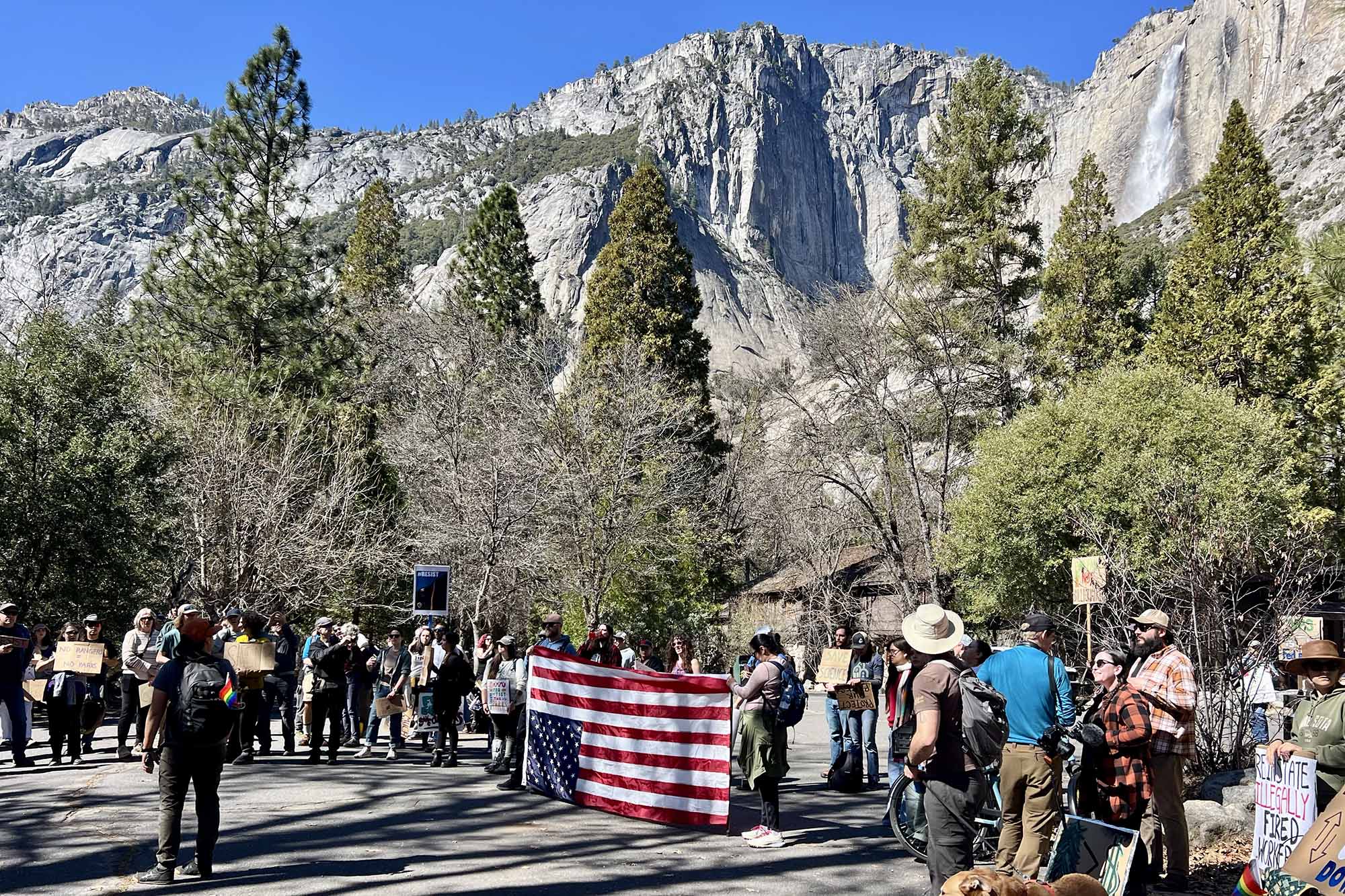
The last 12 months have been difficult for the NPS, which became a frequent target of government cuts by Trump and his Elon Musk–led Department of Governmental Efficiency (DOGE). About a quarter of the park system’s workers were fired last year.
The NPS also faced budget freezes and the longest government shutdown in U.S. history, during which time the White House ordered most parks to stay open, despite having few workers allowed to manage them.
Trump, along with Interior Department Secretary Doug Burgum, has also implemented other controversial policies for the parks. Those include the addition of Trump’s face on annual park passes and higher entrance fees for international visitors.
Also, White House efforts to remove “negative American history” from park exhibits have resulted in ongoing legal disputes. On Monday, a federal judge ruled against the Trump administration for removing a slavery exhibit from the President’s House Site in Independence National Historical Park, an NPS site in Pennsylvania.
Read the full article here
