



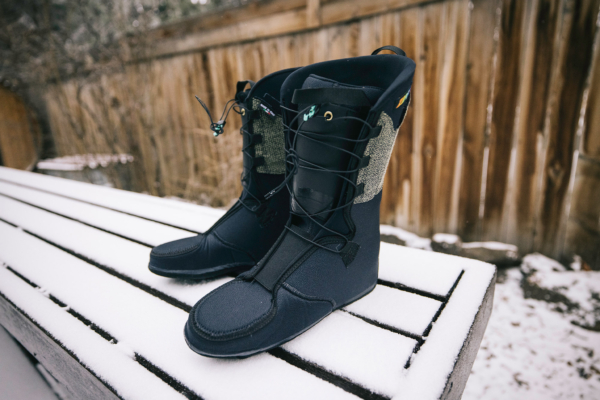

With a career focused on photographing pro skiers, writing about new ski operations, and reviewing the latest ski technology, I spend about as many hours in my ski boots as I do with my wife during the winter months.
Therefore, cold toes, sore shins, and an average heel hold aren’t compromises I care to make. That’s what led me to ZipFit, a boutique Colorado-based brand known for its proprietary cork insulation. ZipFit liners are, generally speaking, warmer, more secure, and ultra-durable. They can outlast the shells they live in. The only issue? They are heavy, sometimes double the weight of a standard foam liner.
For skiing at the resort or short backcountry days, that doesn’t matter a ton. However, for long tours when I’m bootpacking up couloirs or trying to keep up with a pro athlete on a skin track, they aren’t ideal. That’s why I was excited to test the new ZipFit Espresso. This is the brand’s latest design for ski touring, which — at least allegedly — addresses the weight issue, without sacrificing much on the performance side.
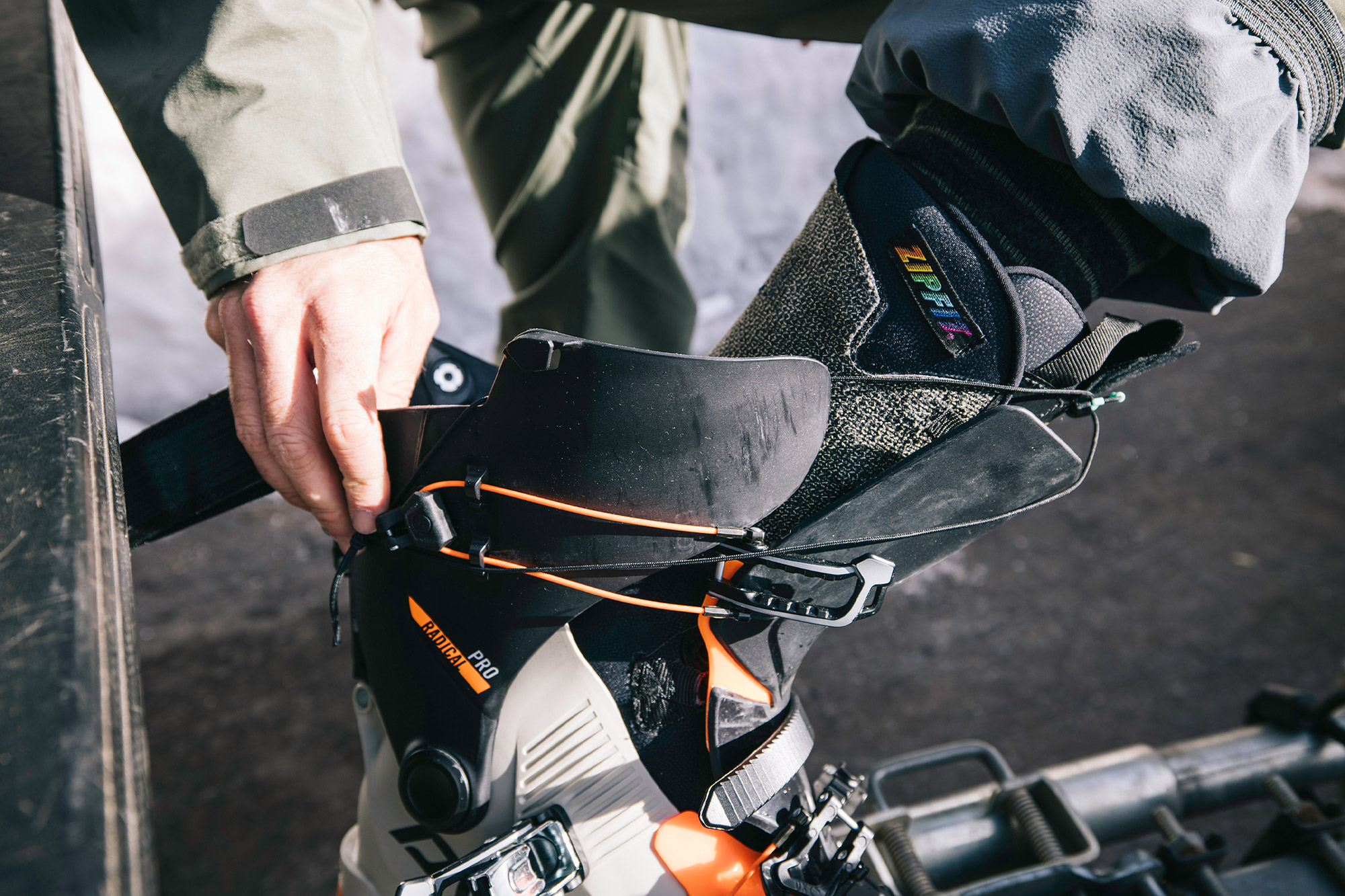
Named for the jolt it is supposed to give your backcountry touring setup, the Espresso sits at roughly 320 g (ranges on the size), almost 200g lighter than its predecessor, the GFT, and about half the weight of ZipFit’s alpine-focused liners. I was one of three writers to get a pre-launch sample, which I’ve been testing in my Dynafit Radical Pro boots around the Oregon Cascades this season.
What I’ve learned so far is that the difference goes well beyond just weight savings.
In short: Reviewing ski products often feels like splitting hairs, but the ZipFit Espresso Liner ($535) is an exception. Although the liner is nearly invisible inside your ski boot, it changes how you ski in the backcountry more than almost any other product or piece of gear. For skiers who want to progress in the big mountains, these liners might just be your ticket.
Check out GearJunkie’s guide to the best Backcountry Ski Boots to accompany your ZipFit Liners.
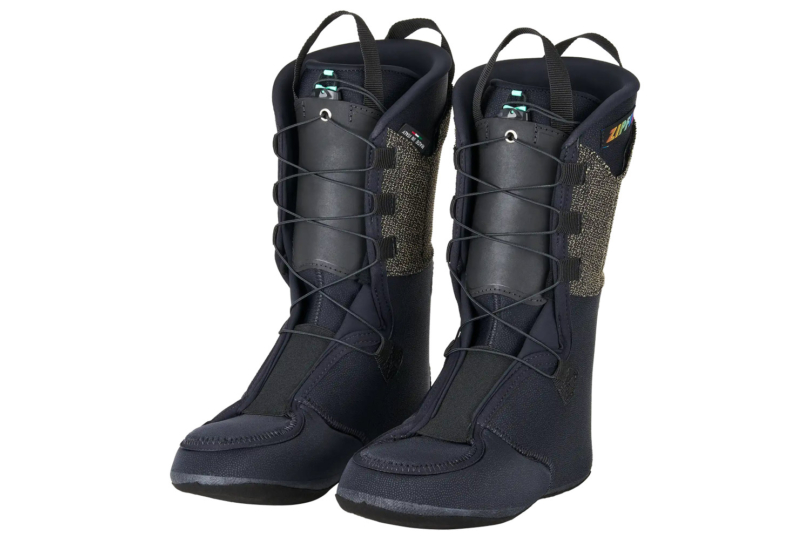
ZipFit Espresso Ski Boot Liner
-
Weight:
320g (size 26.5) -
Materials:
Flexalon toe box without seams; Ultralon foam side panels & asymmetric tongue; Kevlar knit cuff pocket & HDPE foam shim -
Accessories:
3mm footbed insert for high-volume shells
Pros
-
Improves confidence on steep, technical terrain
-
Comfortable on long backcountry tours
-
OMfit cork lining molds itself to your foot
-
Lighter than other ZipFit liners
-
Long lasting, very durable
Cons
-
Heavier than many touring-specific liners
-
An expensive upgrade
ZipFit Espresso Liner Review
Design and Performance
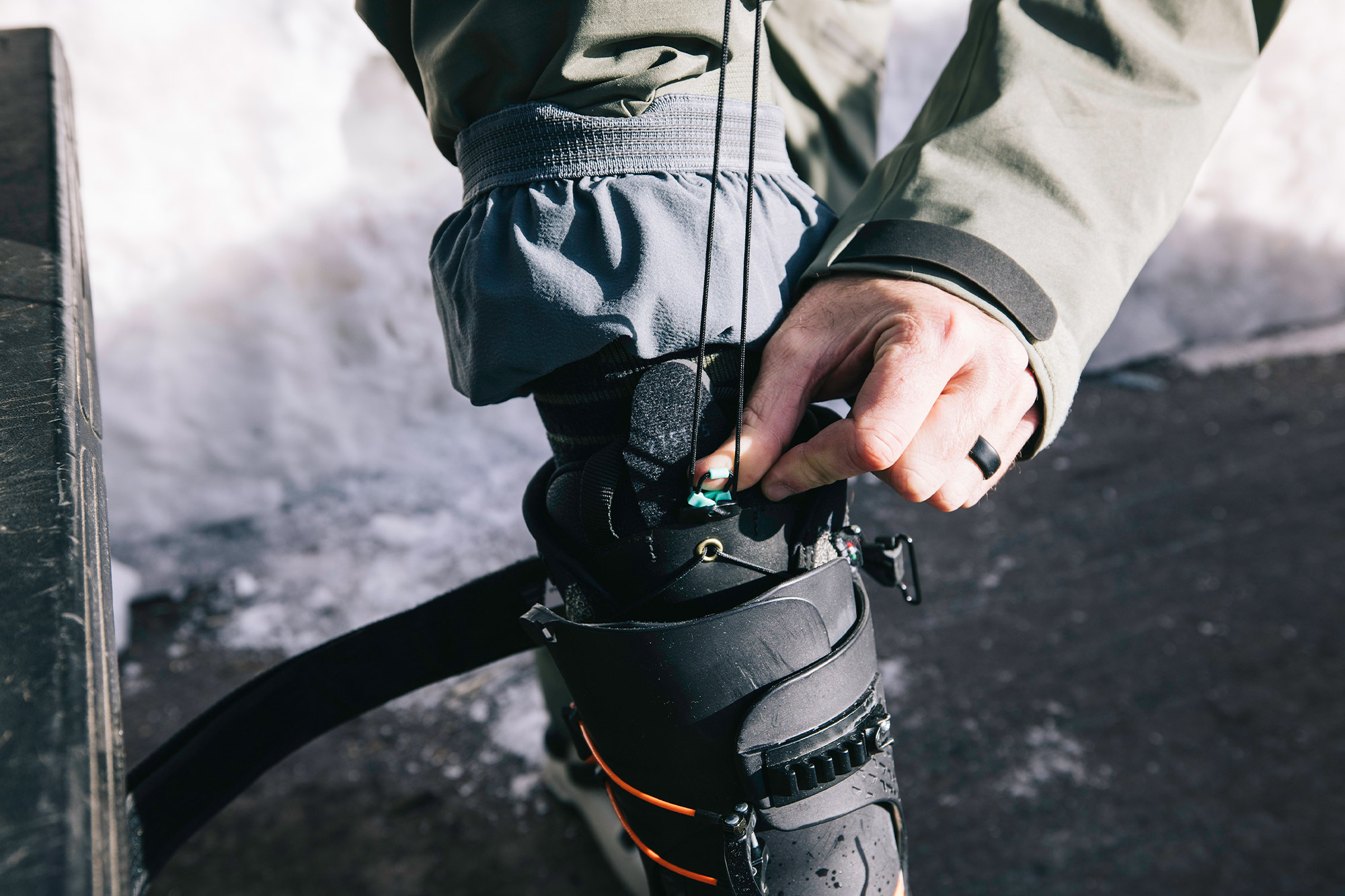
The genesis of the Espresso Liner starts with ZipFit athlete Cody Townsend on a trip to Mount Saint Elias. The temperatures were so cold that the neoprene and merino toe box of his GFT liners wouldn’t dry out. That was when he asked the brand to try heat-moldable foam for the first time. They obliged. And after 2 years of testing with mountain guides and athletes like Eric “Hoji” Hjorleifson, the final product is here.
The Espresso uses a foam exterior paired with the brand’s signature OMFit cork just around the ankle and tongue. It’s similar to fabric blocking on a high-end jacket. Cork shapes around your foot as the temp fluctuates, filling the small gaps around your Achilles that most stock liners miss. It creates a more locked-in heel hold on descents.
This allows subtle weight shifts to adjust edge pressure on your skis, while the asymmetric tongue provides a more progressive flex, making even light touring boots perform better. Like all ZipFit liners, it is handmade in Montebelluna, Italy.
Comfort and Weight
Warmth in a touring boot comes from two things: good insulation and enough space for air to circulate. Standard ZipFit liners have some of the best insulation. On warm days, though, it can be almost too much. The Espresso dials the R-value back a little, with a Flexalon toe box and a stretchy, seam-free design. It allows your toes to splay and air to move, helping regulate temperature.
Unlike traditional foam liners that compress over time and lose their R-value, cork keeps its loft. It also slowly customizes to your foot and actually improves the fit over time. While skinning, the rear panel and cuff pocket allow for a range of motion that doesn’t fight your boot’s walk mode, essentially moving with your foot as it flexes back and forth.
I’ve had a grand total of zero hot spots or blisters while testing the Espresso. If it doesn’t fit your foot out of the box, you can always add more cork to the tongue. ZipFit sells OMfit cork tubes and plungers on its website.
As for weight savings, these liners are a huge leap forward for ZipFit. The overall weight is down to 320g, comparable to other performance-oriented liners like Intuition. However, if the only thing you care about is counting grams, you can find ultralight liners in the mid- to low-200g range. Just know that they aren’t great on the downhill, nor are they very warm.
Price & Returns
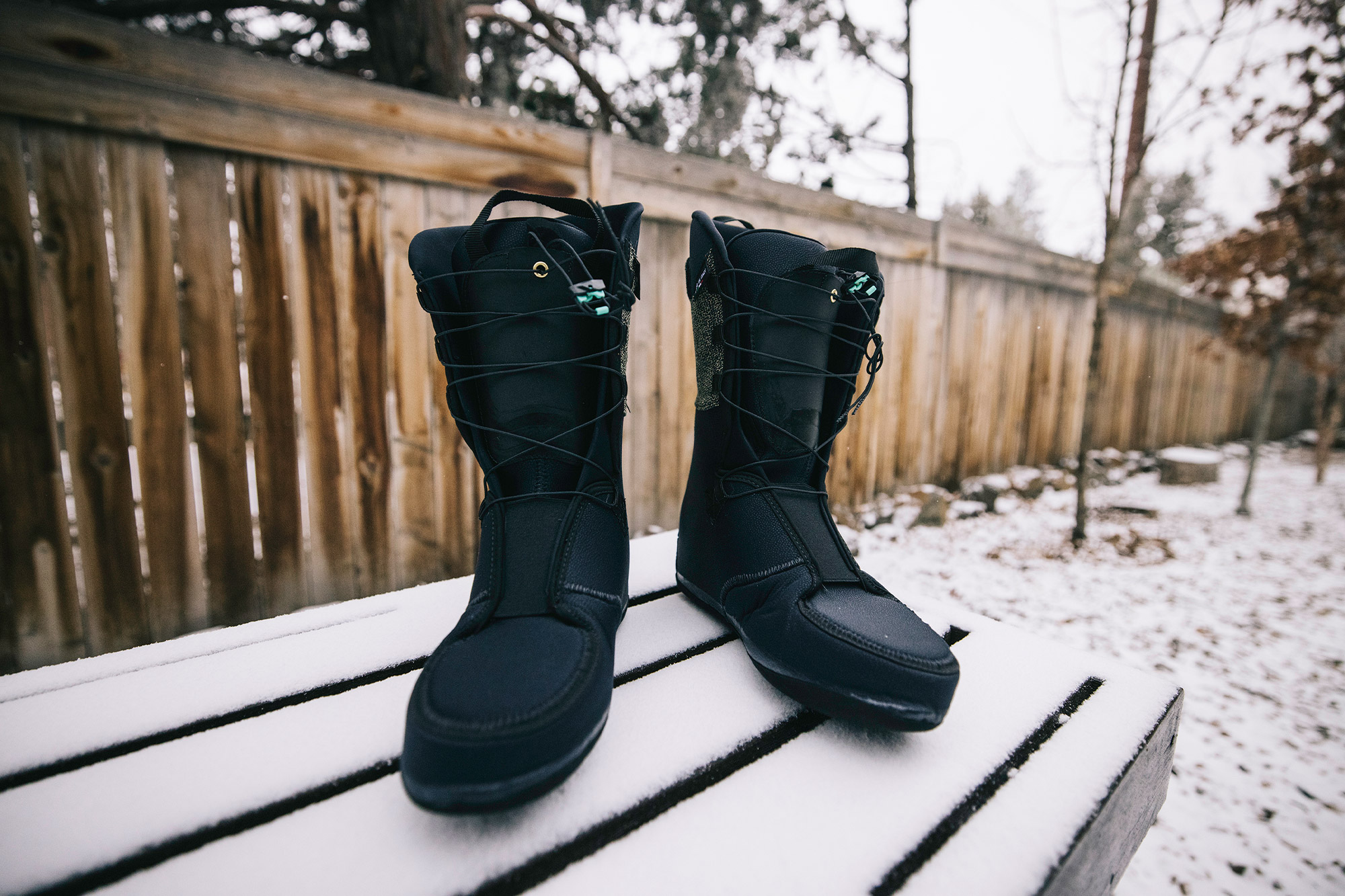
Once you’ve thermo-molded the Espresso, you cannot return them to ZipFit. (Although, if you try them on and they don’t fit, you can still ship them back.)
Another downside is the price tag. For someone who skis as much as I do, the amortization over years of use makes it easily worth the upfront cost. For someone who only skis a handful of times each year, the math might be a little different. These liners cost $535, which is a lot for an upgrade, even if it does make a huge difference like these liners.
Finally, as for durability, my early impression is that the Espresso liners are much sturdier than stock liners. I doubt they’ll last 1,000 days, as I expect from my alpine-centric ZipFits. But, I’ve only been testing them for this season, so it’s hard to speak super-concretely about the long-term just yet.
ZipFit Espresso Liner: Who It’s For
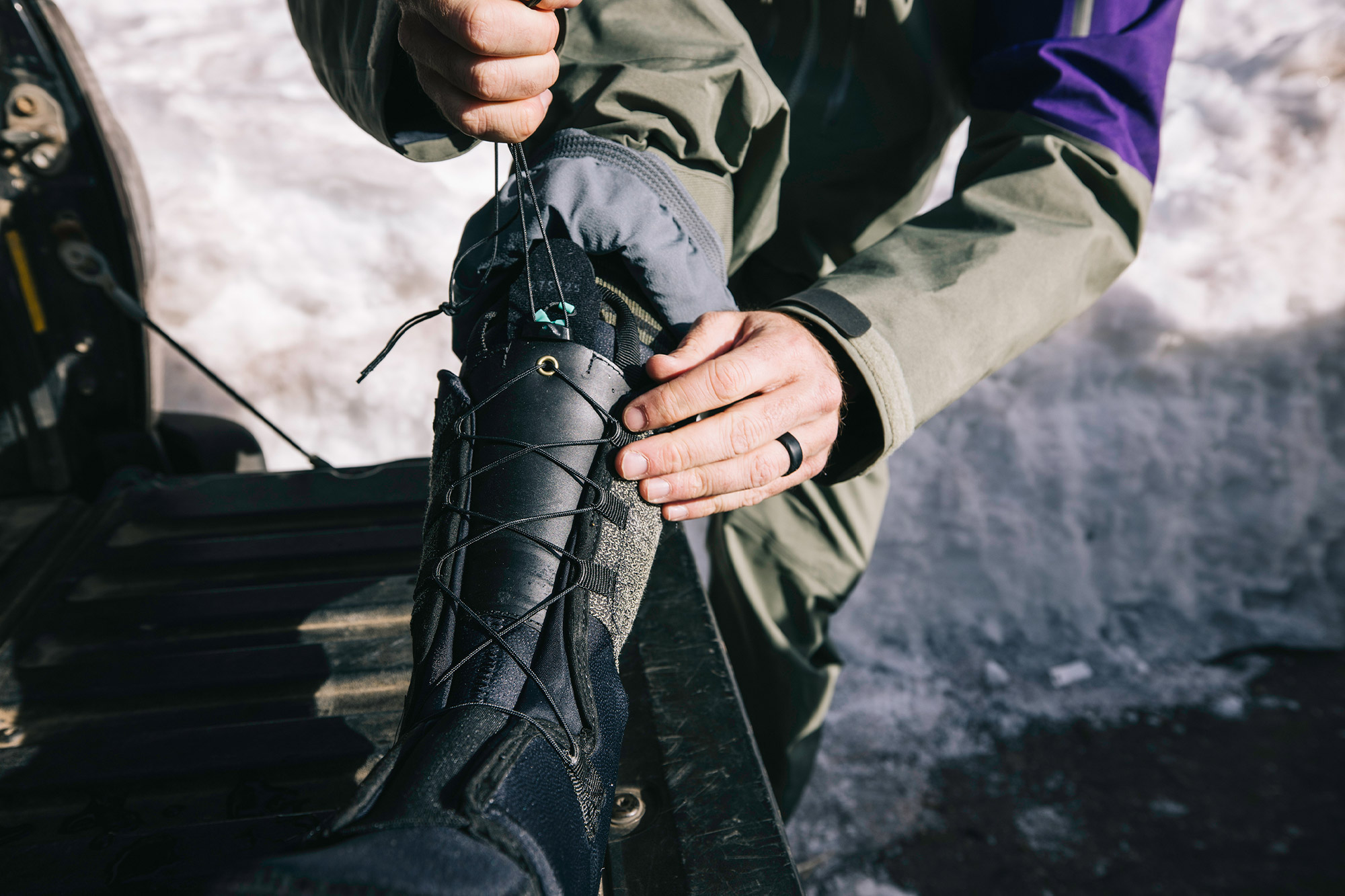
The ZipFit Espresso liner is an investment. However, for backcountry skiers who want downhill precision without a weight penalty, it’s a no-brainer. After years of testing, ZipFit threaded the needle in R&D. It avoided the trap of obsessive gram-counting and left just enough cork to ensure performance, warmth, and comfort stay at a super premium level.
The performance gains I experienced with the Espresso are unmatched. The confidence they offer on steep, technical lines is incredible. They’re also quite comfortable for huge backcountry days, like 10-hour tours I’ve done to Broken Top and North Sister, without any rubbing, hot spots, or blisters.
It’s worth noting that the Espresso is best paired with touring boots in the midweight category (1,000-1,250g). I’m sure they would be a good upgrade for superlight skimo boots and four-buckle crossovers as well.
I will never go back to my stock liners.
Read the full article here
