




Never has a rifleman had more stock options than today. There are numerous companies specializing in aftermarket stock manufacturing, covering everything from high-end carbon-fiber stocks to inexpensive polymer pieces with aluminum bedding blocks. Rifle manufacturers have realized that consumers look for value wherever it might be found, and the stock presents an opportunity for them to separate themselves from the pack with distinctive and relevant features.
The most important question to ask when selecting a stock is whether or not it can be made to fit you. We live in a one-size-fits-all world, but few activities are more unpleasant than shooting a poorly fit rifle. The good news is that just about all the rifle manufacturers are building stocks with some adjustability. The adjustments frequently needed are length of pull and comb height.
Before I delve deeper, casual shooting at short distances doesn’t require a well-fit stock. The rifle doesn’t spend that much time in contact with the shooter. Sighting in the gun might be unpleasant, but the occasional shot at 200 yards or closer doesn’t ask much from any rifle. More attention to stock fit becomes a requirement when target distances increase, group sizes matter, or the shooter intends to spend a few hours plinking steel.
In the three scenarios I’ve presented, the shooter’s head needs to have consistent and supported placement behind the scope. Inconsistent head placement allows parallax to move the crosshairs relative to the target, which opens groups and causes a wandering zero. The error is frequently small, anywhere from .25- to .75 minute of angle (MOA), but that’s the difference between a hit and a miss at long distance, and it adds unnecessary size to a group.
Advertisement
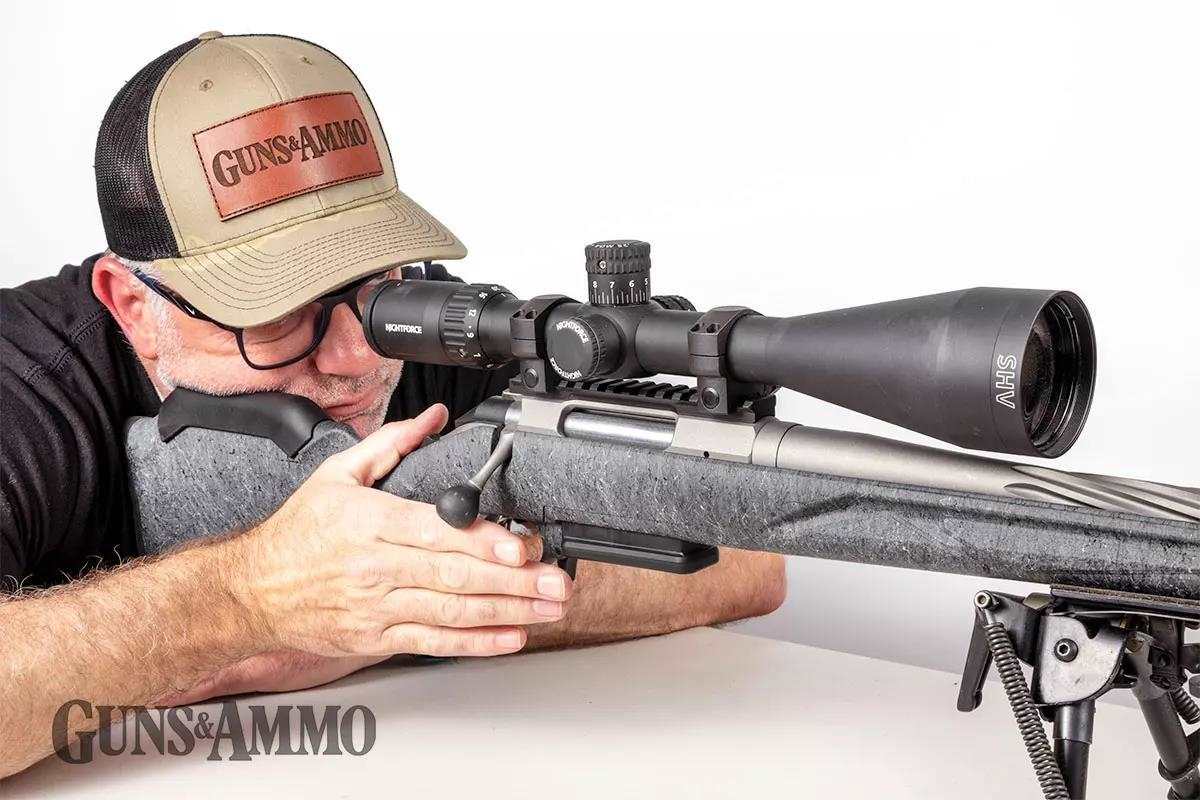
Fitting a stock to the shooter pays dividends in both performance and comfort. There are a number of ways to do this. My preference is to fit the stock to the shooter in the prone position because it is the most unforgiving position for an ill-fitting stock. If the shooter will never fire from the prone, a bench position is acceptable. My process for fitting a rifle has evolved through the years, so I’d like to explain some of the hows and whys as we continue.
Step By Step
Place a bipod on your rifle, remove the scope and set the rifle on the ground or on a shooting bench. Open the bolt and pull it all the way to the rear. This is an important step, especially for new shooters. Keeping your head on the stock while cycling the action is a great way to have faster follow-up shots and to reduce parallax errors in aiming. Keeping the bolt to the rear during stock fitting clearly shows the shooter that their head can stay on the comb, even when cycling the bolt.
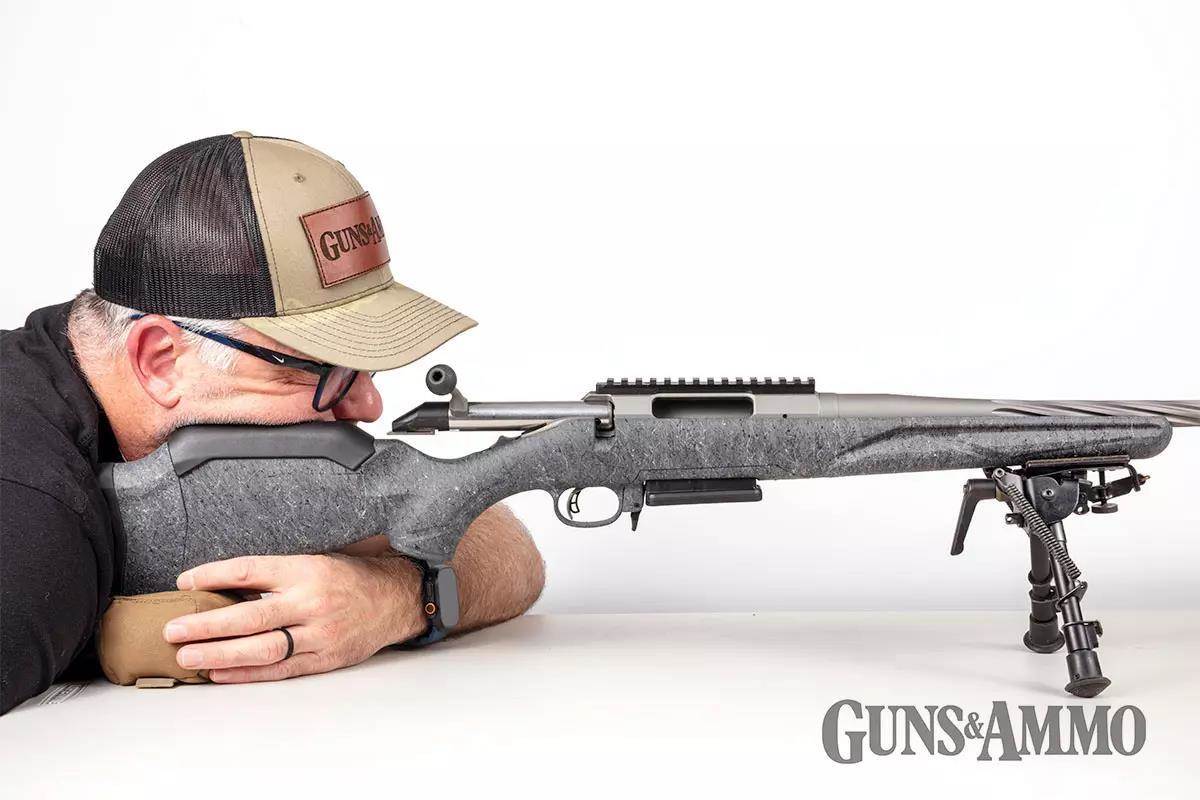
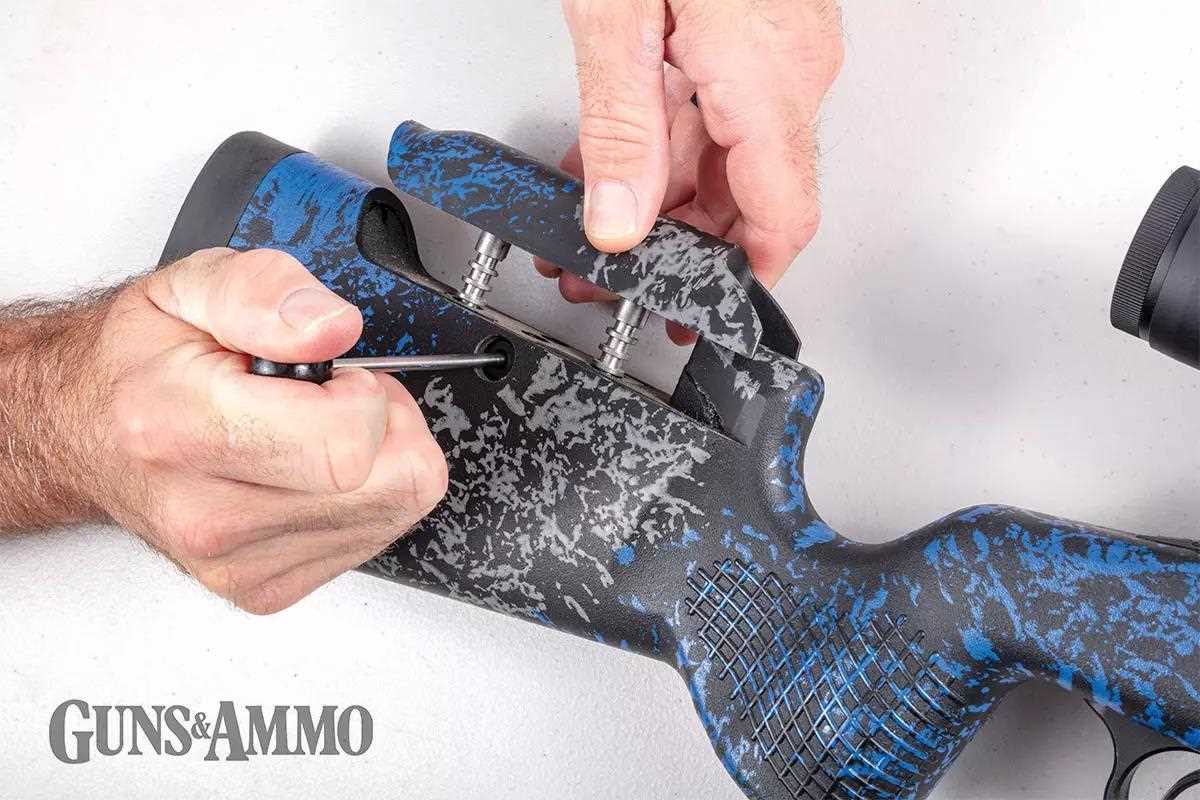
The next step is to adjust the length of pull until the shooter’s cheek is in the desired location on the comb. Do this in accordance with what’s most comfortable. It’s important to perform this step without a scope on the rifle because just about everyone will start to move their head to see through the scope if there is one available. This leads to a less than optimal fit later. My Seekins Precision Havak PH3 adjusts length of pull through spacers. Others, such as the Ruger American Rifle Gen II, have a system that allows for length of pull and comb height to be adjusted simultaneously. Loosen the Ruger’s sling swivel and add or remove spacers to adjust length of pull, or swap inserts to get the desired comb height.
Advertisement
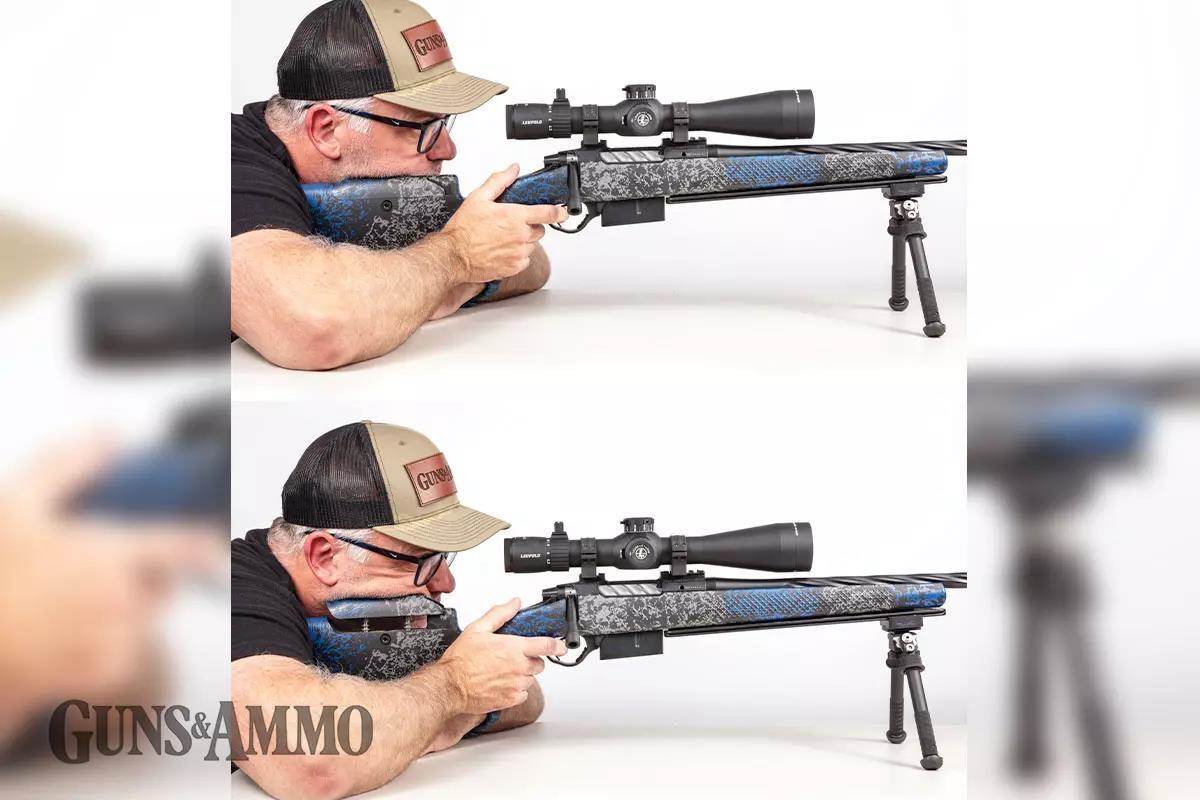
Where length of pull adjusts to position the head where the shooter wants on the comb, comb-height adjustment ensures the head has support when the shooter is on the rifle. Stocks like those found on the Ruger American Rifle use inserts to control height, but the more expensive Seekins Precision Havak PH3 — and those similar to it — have a click adjustment activated by depressing the button on the side. Both achieve the same effect, one is just a little faster and features more options. Where the American gives us a choice between half-, five-eighths-, or three-quarters-inch elevations, the PH3 covers anywhere from zero to three-quarters of an inch.
There are two factors that determine ideal comb height: The location of the shooter’s zygomatic (or cheek) bone and the mount height of the scope dictate where the comb needs to be. Many of us grew up with the mandate to mount the scope as low as possible, which is still generally a wise piece of advice for rifles without an adjustable comb. The shooter’s head needs a firm connection to the stock for the most consistent shooting, which leads to the best performance. In addition to the best accuracy from a rifle, a firm connection between head and rifle is required if the shooter expects to see where a shot lands. If the scope is high and the comb isn’t as well, the rifle and head move independently under recoil. This makes it almost impossible to maintain a full field of view through the scope when the rifle fires. Without being able to see through the scope during the recoil cycle, the shooter is forever dependent on a friend with a magnified optic close by to indicate where a particular shot impacted.
Correct comb height is also essential if the shooter spends more than a few minutes looking through the scope, especially in the prone. Incorrect comb height means the only thing supporting the head are muscles in the neck. It doesn’t take long for those relatively small muscles to fatigue and cause lasting discomfort ensues. This takes some of the fun out of shooting.
Data of Previous Engagement
Rifle shooting is an activity where the more knowledgeable the participant is, the more fun can be had. One of the most valuable pieces of information to have as a rifleman is the knowledge of where the previous shot landed. “DOPE” allows for rapid boresighting or zeroing of a rifle without reliance on paper targets, as well as quick corrections for fast follow-up shots. A well-fitting stock is essential in making this possible. However, the necessity of length of pull and comb adjustments does vary with cartridge selection and the intended application. A 6.5mm Creedmoor (and smaller) cartridges don’t generate enough recoil to be problematic for spotting shots, so adjustable combs might not be a requirement for rifles in this chambering. Larger short-action cartridges — and just about everything in a long-action — benefit considerably from the fit possible with an adjustable length of pull and an adjustable comb.
Read the full article here
