



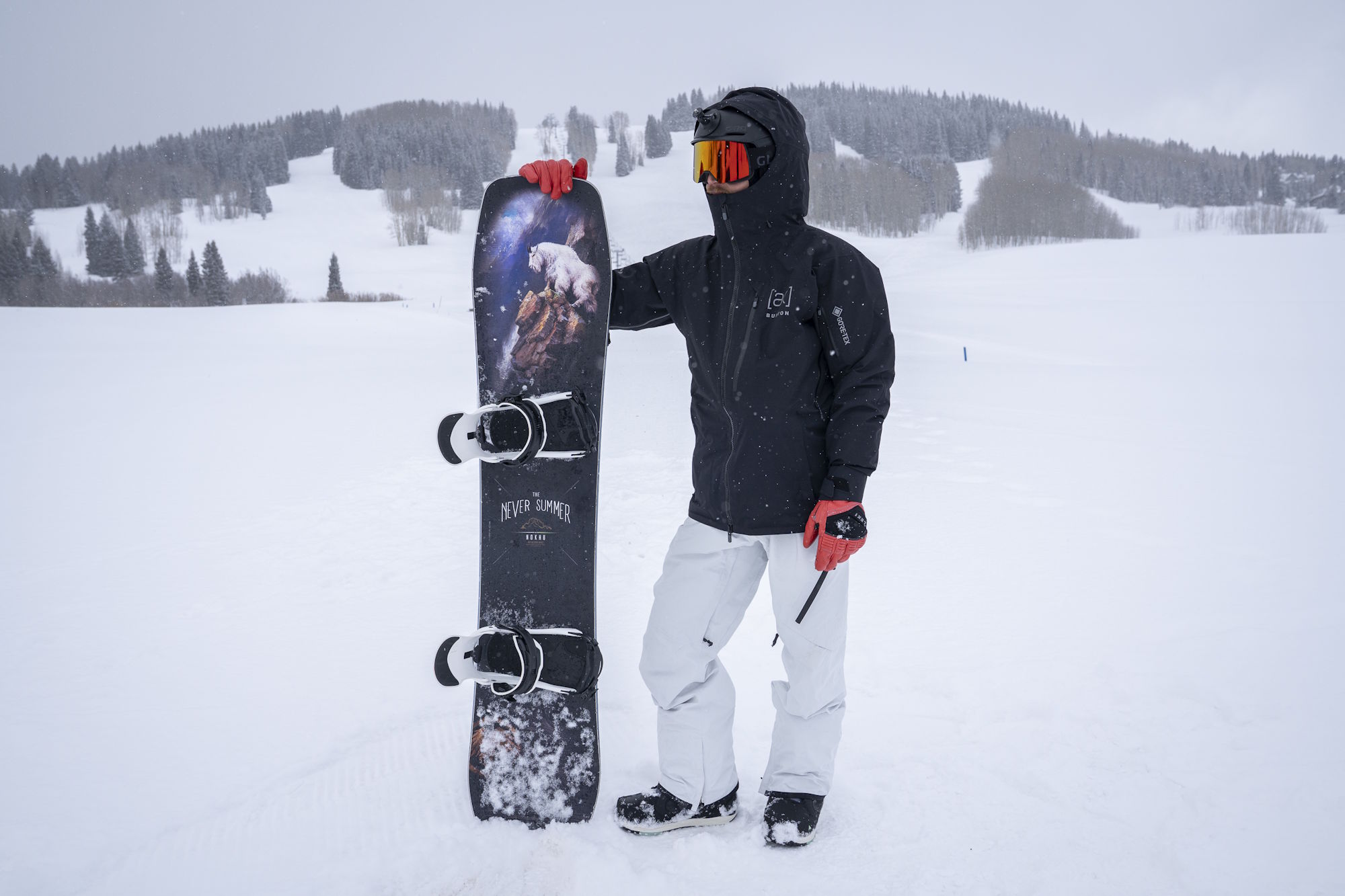

Snowboard pants do more than just keep you warm and dry — they’re a key part of your on-mountain style and performance. From baggy fits and bold colors to slim, backcountry-inspired designs, today’s snowboard pants blend technical details with style that speaks to your riding identity.
But it’s not just about looking good. Snowboarding demands outerwear that can handle wet chairlifts, heavy snowfall, and slushy spring days. That’s where waterproof ratings, breathability, seam sealing, and insulation come into play. Knowing what these terms mean — and how they relate to your riding style and climate — is crucial for staying comfortable on the hill.
In this buyer’s guide, we’ll walk you through the key factors to consider, including waterproofing, fit, materials, and style, so you can find the snowboard pants that not only match your vibe but also perform when the weather turns. Let’s break it down and get you geared up for your best season yet.
Check out our Best Snowboard Pants buyer’s guide for a broader selection.
Best Snowboard Pants for Men of 2025-2026
Best Overall Snowboard Pants for Men
9/10 Rating
Best Budget Snowboard Pants for Men
7.5/10 Rating
Best Insulated Snowboard Pants for Men
9/10 Rating
Best Waterproof-Insulated Snowboard Pants for Men
7.5/10 Rating
Most Versatile Snowboard Pants for Men
8.5/10 Rating
See more picks
-
Exceptional waterproofing at 28,000mm -
High breathability at 20,000mm -
Stylish color options to stand out on the hill -
Backed by Burton’s lifetime warranty
-
Premium price point -
No insulation -
Only one cargo pocket -
Our (white) test pants show dirt easily
-
Dakine’s signature baggy style -
Integrated nylon web belt -
Zippered hand pockets
-
10K is sufficient for most resort days but might not hold in very wet or prolonged storm conditions -
No insulation, so you’ll need to layer appropriately for colder weather -
Limited ventilation: small mechanical vents are not suitable for serious heat dumping needed while touring or bootpacking
-
Stylish relaxed fit -
Elastic hems easily fit over boots -
Light insulation (Primaloft) adds warmth without bulk -
Reasonable price point
-
No reinforced kick panels or full length venting -
Limited pocket options -
Only 10K waterproof rating
-
Built-in 60g Heatseeker Eco insulation -
Affordable price considering the insulation -
Good waterproofing and breathability rating of 15,000
-
Not ideal for backcountry use -
Limited pocket options: one cargo and no rear -
Limited venting: no outer thigh or full-length zips
-
3-in-1 Versatility: Includes a removable fleece liner -
Ample Storage: Multiple cargo and hidden pockets make it easy to carry tools, snacks, or your pass without a backpack. -
Smart Features: Includes BOA compatible boot gaiters, Pant-Jacket Connect system, and mesh-lined vents for added comfort and convenience.
-
Vents are small making it hard to dump heat. -
Wearing the shell and liner feels a bit bulky compared to slimmer insulated pants -
Removable liner pant has significantly smaller inseam
Snowboard Pants for Men Comparison Chart

How We Tested The Best Snowboard Pants For Men
Our GearJunkie snowboard pants for men gear testing involved a season of thrashing pants across a variety of terrain and conditions.
Our Expert Testers
Leading the gear testing, contributor Eric Phillips has been snowboarding since 2005. Teaching professionally at multiple ski resorts, he is an avid resort charger, splitboarder, snowmobiler, powsurfer, and works in search and rescue in southwest Colorado. You’ll find him ripping big mountain backcountry lines or finding the best rocks to jump off of at his home resort.
Our Testing Grounds
Our test team is centered in Crested Butte, Colorado, home to world-class resort steeps and legendary backcountry riding. We tested from the groomers, to the park, to backcountry bowls, and even some side country snowmobile shuttling. Conditions ranged from double-digit negative lift lines to hot spring laps with every powder day in between.
Our Testing Process
While testing snowboard pants, we consider overall fit, function, durability, vents, gaiters, boot compatibility, waistband, belt loops, ease of movement, pockets, cuff reinforcement, weather protection — including precipitation, cold temps, and wind — style, sustainability, and value.
We also take into consideration the most novel, popular, highly rated, and legacy products across a range of price points.
Insulation
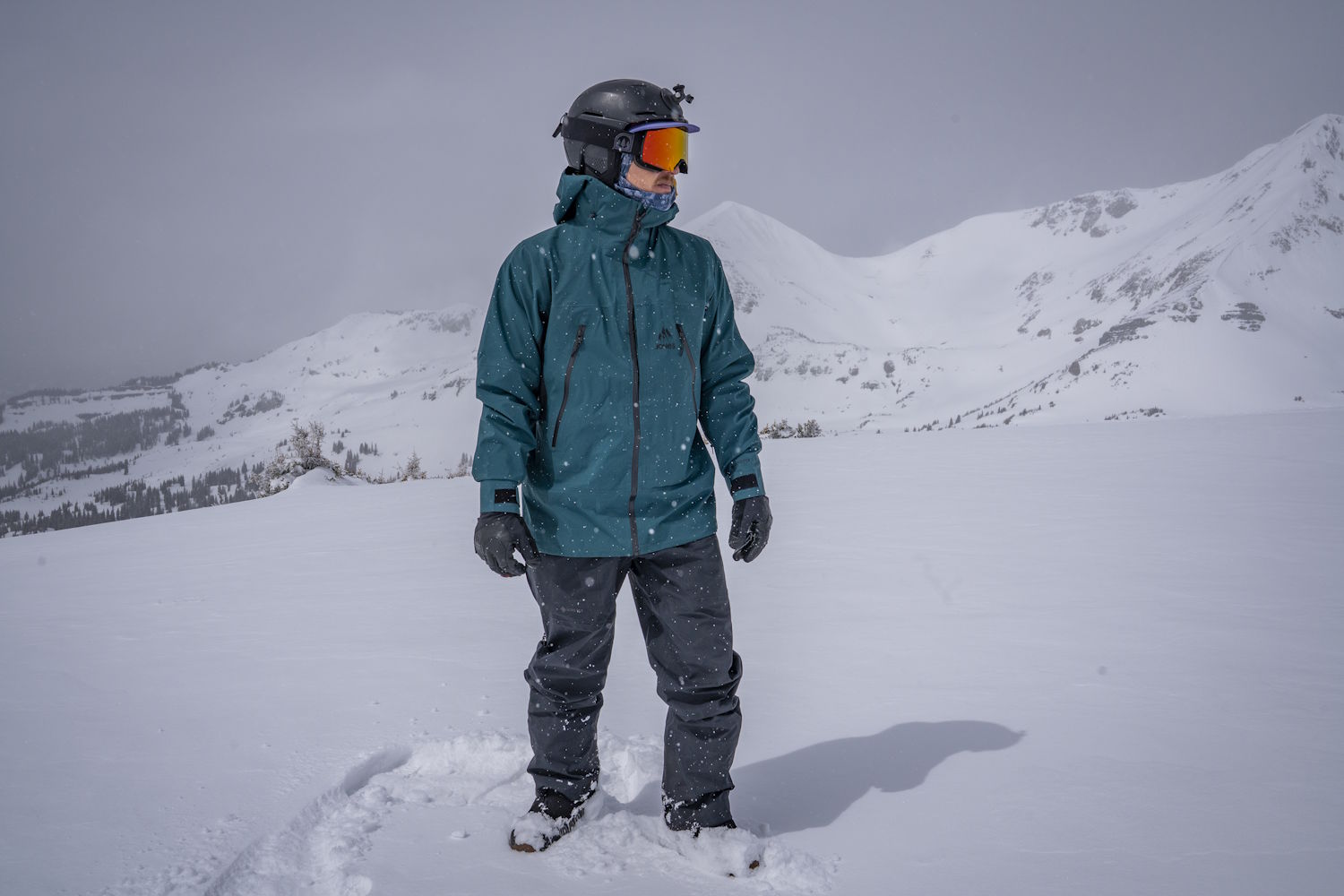
Most snowboard pants for men on the market are not insulated; instead, they come as a shell pant. This means instead of having built-in insulation, one is expected to wear insulation underneath the shell on days that require extra warmth. The benefit of a shell pant is that it’s more versatile, allowing for layering that comes down to the wearer. Some pants, like the Smarty 3-in-1, come with an insulating layer, allowing them to be used as either insulated pants or just a shell, depending on your needs for the day.
For those seeking a traditional, insulated snowboard pant — one that is always insulated, as opposed to requiring layering — we have options in our guide. A benefit of insulated pants is that they are often less bulky compared to a shell with a layer underneath, additionally they are always warm for those who run cold, some pants like the North Face Freedom come with 60 g of insulation plenty for cold conditions while others like the Salomon Venom pant are only slightly insulated at 40 g making the pant more versatile across conditions so you can still use them all season long without worry of a cold butt on the chairlift.
Here are the pants in our guide and their corresponding insulation levels:
Waterproofing and Breathability
Arguably, the main job of a pair of snow pants is to keep snow or water out of the pants, no matter if you’re sitting on a wet chairlift or riding in damp snow. That’s where the waterproofing rating comes into play.
Waterproofing is measured in millimeters and is a great way to compare different pants. The higher the rating, the more effective it is at keeping water from penetrating the fabric. At the same time, the higher the rating, the higher the price tag usually is as well. Below are the three tiers of waterproofing:
- 0 — 10,000 mm: Ideal for dry or mostly dry climates like the Midwest
- 10,000 — 20,000 mm: Ideal for wet climates like the mountain west
- 20,000 — 30,000 mm: Ideal for very wet climates like the Pacific Northwest
Besides the waterproof rating, there are a few other design aspects that help keep water out. The best well-made waterproof snowboard pants will feature fully taped seams, waterproof zippers, and a DWR (Durable Water Repellent) coating.
Breathability refers to the amount of hot air that can escape from the pants without allowing water to enter. Typically, as waterproof ratings increase, the breathability of the fabric declines because a stronger waterproof barrier prevents moisture from the inside from getting through to breathe.
Most pants these days try to have a similar breathability rating to that of its waterproofing to keep users in the perfect middle ground of dryness. Another factor of breathability is the varying degrees of venting; pants with larger vents are more suited to backcountry uses and hiking as they dump heat more effectively.
In general, it comes down to personal preference, riding conditions, and price point when determining the ideal amount of waterproofing for you. For those who run warm, a breathable fabric with large vents may be necessary; alternatively, someone who runs cold in a wet climate, such as the PNW, might opt for a higher level of waterproofing than a Midwest snowboarder.

Vents
Different types of fabric have varying levels of breathability in snowboard pants. You can read the breathability and waterproof ratings to get an idea of how easily the fabric allows air to pass through. The more waterproof a fabric is, generally the less breathable it is. If a pant is insulated, expect it to feel warmer.
Regardless of insulation, breathability, and waterproofness, a pant with mechanical vents offers the ability to regulate body temperature. The larger the vent openings, the more heat one can dump and the easier it is. For high-output activities, such as backcountry touring, bootpacking, hiking, or riding hard in warm temperatures, venting is crucial to avoid overheating and excessive sweating.
In general, snowboard pants have zippered venting on the inner thigh. Some pants, like the Burton [ak] Cyclic, have a vent that extends from one thigh through the crotch to the other, creating a single, large vent. Snowboard bibs, on the other hand, usually have larger vents found on the outside of the thigh. It’s also nice when pants have an interior mesh liner to help keep out snow or debris, and also offer some privacy for those who don’t like to wear a base layer underneath.
When choosing a pair of snowboard pants, ensure the venting is suitable for the type of activity you plan to use the pants for. Large vents are necessary for any backcountry use.
Gaiters
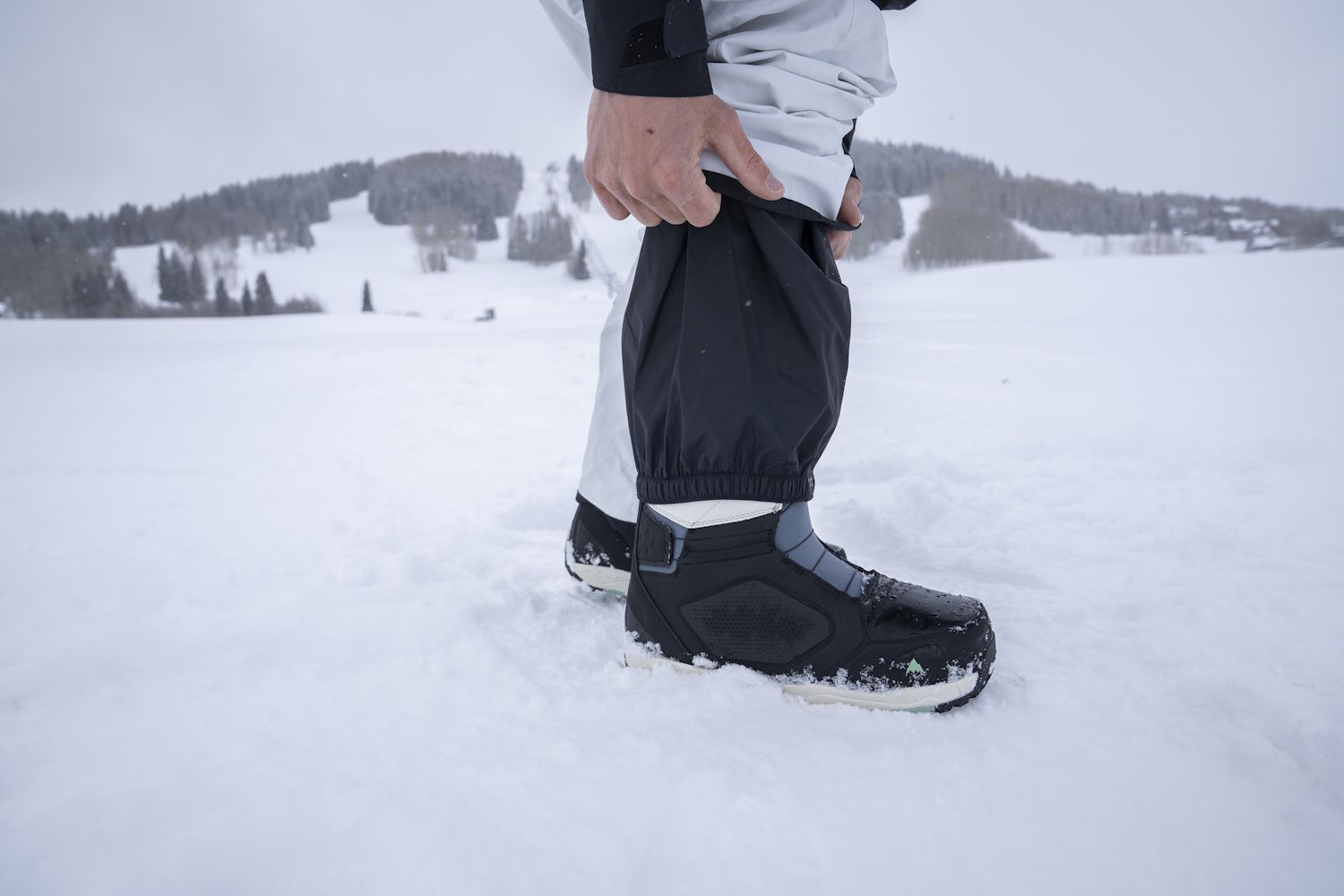
Let’s talk about gaiters — no, not the reptile! Gaiters refer to the fabric inside the bottom cuff of the pants. This inner fabric is designed to stretch over your boots, creating a seal that prevents snow and dirt from entering your pants and boots. All pants in our guide have built-in gaiters as they are an integral part of a snowboard pant. Snowboard-specific pants often feature a larger diameter gaiter and cuff than ski pants, allowing them to fit over larger snowboard boots.
With the rise in popularity of the BOA system, pants like the Burton [ak] Cyclic and the 686 Smarty both have a BOA-compatible gaiter, which is a window where the front-facing BOA — a dial that turns to tighten the cable laces in a boot — can be accessed and stays operable with the gaiter pulled down.
For additional boot protection, a reinforced cuff is also found in a quality pair of pants. Frequent rubbing against the resort’s surfaces or on the chairlift can lead to excessive wear on the inner pant leg, partly due to the metal edges of snowboards. In backcountry environments or when using snowmobiles, the wear is exceptionally worse. Consider a pair of pants with reinforced kick panels at the cuffs, depending on your level of activity.

Pockets
Snowboard pants are generally worn at the resort, as opposed to the backcountry, where one is using a backpack. At the resort, many people ride without a backpack, relying solely on the pockets of their snowboard jackets and pants to hold essentials for the day, such as keys, wallets, snacks, water, headphones, a GoPro, and more.
There are three main types of pockets found in snowboard pants: hand pockets along the upper thigh, cargo pockets along the middle thigh, and butt pockets on the backside. Snowboarders spend more time sitting than skiers, and oftentimes snowboard pants don’t come with rear pockets for this reason.
For riders who want a lot of storage, the 686 Smarty Pants are a great option. For those wanting even more storage, consider a bib pant instead of a regular pant for the extra chest pockets that often come on bibs. Some pants, like the Burton [ak] Cyclic, have interior mesh pockets inside zippered pockets to keep items from bouncing around when riding.
Price & Value
The prices in our snowboard pants guide range from budget-friendly choices to top-of-the-line expedition gear.
Budget: $200 or Less
The budget tier generally consists of pants near or below the $200 range. These lower-priced pants are a great starting point for beginner and intermediate riders; while they might not be as feature-packed or handle as harsh conditions as well, they will get you out on the slopes. Lower-cost options are often less durable, lack advanced design characteristics, and are less resistant to repeated harsh conditions.
However, for milder climates or infrequent seasonal use, a budget option can often be the best choice. This price tier still has some great offerings like the Salomon Venom Pant ($200), The North Face Freedom Insulated Pants ($200), and the Dakine Rodgers 10K Cargo Pant ($200).
Mid-Tier: Up to $400
At the mid-tier, $200 to $400 is the sweet spot for most riders. This category has higher waterproofing and breathability of fabrics, higher quality fabrics that offer increased durability, plus details like zippered pockets, reinforced kick panels, vents, and more.
Some of our favorite pants in this category are the 686 Men’s SMARTY 3-in-1 Cargo Pant ($230), a great bang for your buck in terms of versatility.
Premium: Above $400
Above the $400 price tag, you’ll find the top-shelf, premium snow pants. Snowboard pants in this category will feature premium fabrics, precise details, and a tailored fit. These fabrics are often the highest rated in terms of waterproofing and breathability, and they will last longer in harsh climates than the other tiers. If price isn’t an issue, this tier really delivers on performance.
Frequently Asked Questions
The short answer is, yes, you do! We strongly recommend wearing a base layer underneath your pants for warmth and to reduce friction. You can check out our Best Baselayers for Men buyer’s guide to find the right one for you. In spring or warm conditions, you can get away with wearing just normal underwear underneath the pants, but remember that when you open your vents, some bare skin will be exposed.
Snow pants, in general, are designed to be waterproof pants for playing in the snow, while snowboard pants will have some specific attributes that make them better for snowboarding, things like extra padding on the butt and knees or a wider cuff designed to fit over and work with snowboard boots. We would recommend a more snowboard-specific pair of pants over a general snow pant for any serious snowboarder.
Snowboard pants are generally a bit bigger and looser-fitting than ski pants. They should fit slightly looser around the knees and inseam. The most important part is having a full range of motion for unhindered snowboarding. At the end of the day, it comes down to personal preference and style, with some liking a tighter fighting pant while others opting for a more baggy fit.
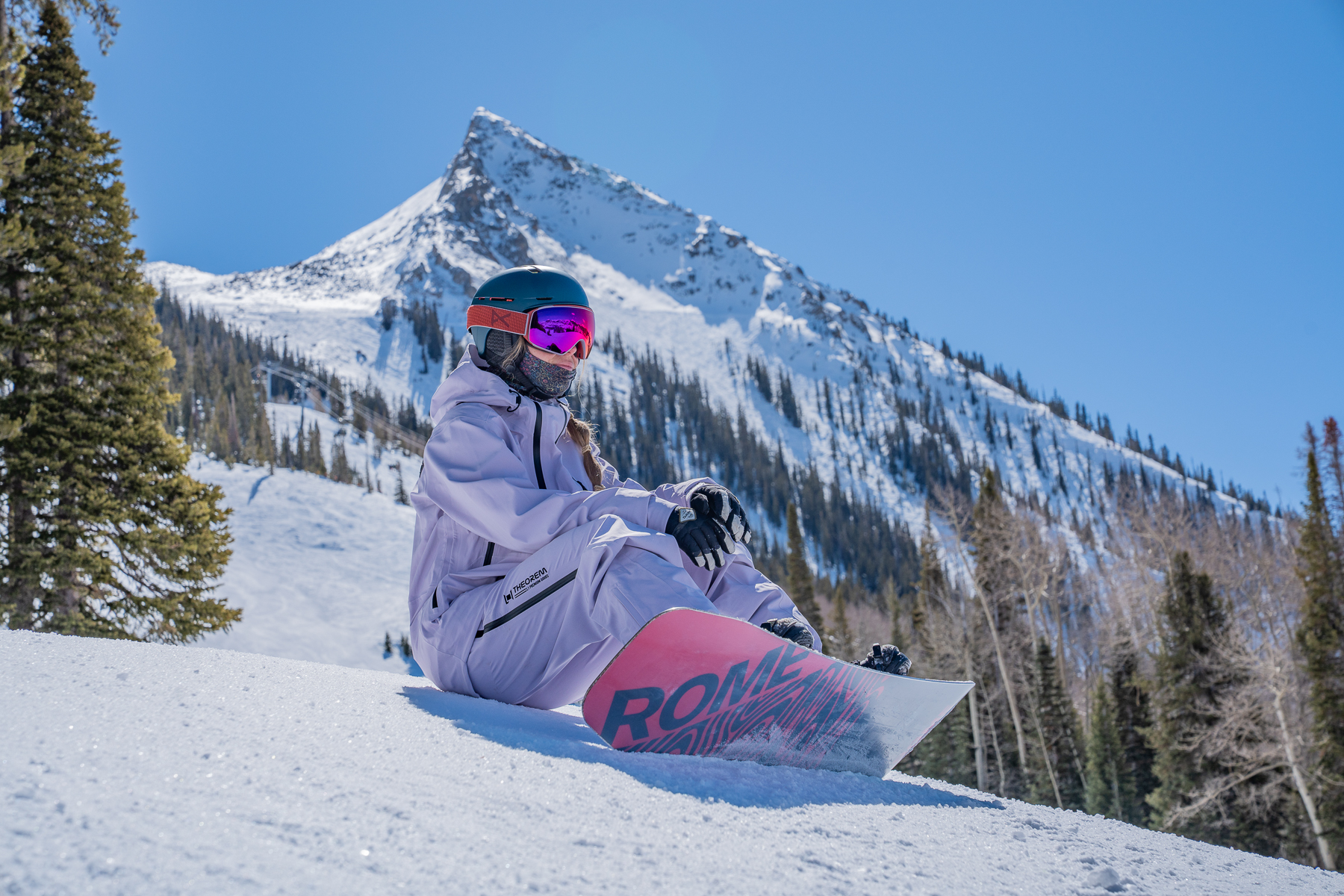
From the ski resort to the backcountry, we tested and found the best snowboard jackets for all conditions and budgets.

Our experts tested the best all-mountain snowboards. Top picks include GNU, Burton, and more.
Read the full article here
