



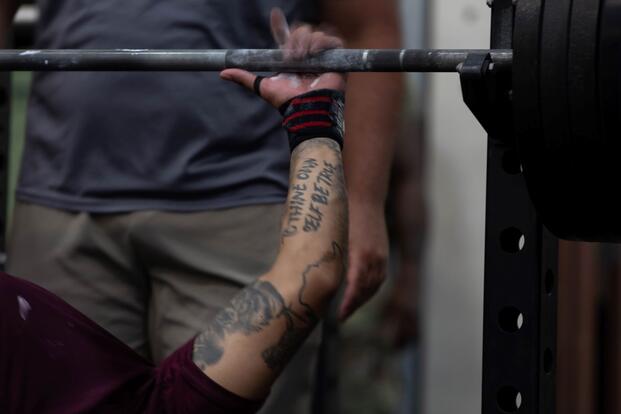

If you need to build strength as you prepare for military training, you should add weightlifting, load-bearing exercises, weight-vest calisthenics and other resistance workouts to your routine. Maintaining or improving muscle stamina and endurance is difficult when you are focused primarily on gaining strength, but it can be done. One way is to set up training blocks that incorporate calisthenics, cardio and lifting to get stronger or gain weight. It requires balance, innovative programming, adequate sleep and good nutrition to achieve proper recovery and see the benefits in this work. Think of this type of tactical fitness training as putting the “conditioning” in “strength and conditioning.”
Organize Your Training Cycle
Consider using a tactical fitness periodization model to thoughtfully organize various fitness goals within a comprehensive training plan. This approach emphasizes lifting for strength and muscle mass while maintaining muscle stamina and endurance with calisthenics, light weight and various forms of cardio. With this cycle, dedicated blocks of time ensure that each element receives focused attention without neglecting the others. When the primary objective is to build strength and increase muscle mass, we must lift heavy and arrange our nutrition to gain weight. By organizing your workouts each week, you can also preserve calisthenics-based muscle stamina and maintain running and swimming endurance. Achieving this balance requires intelligent programming that seamlessly integrates all these elements. Here is how it looks:
When to Deload
We use a 3:1 block periodization model, meaning we do three weeks of strength-focused training during a strength-training phase. In the fourth week, we deload from strength training but replace all weights with calisthenics and more cardio. This offers a change of pace from strength training and allows for muscle recovery while we do a week of focused muscle stamina and endurance every fourth week of the cycle. Typically, these strength training cycles last 12 to 16 weeks, but deloading every fourth week allows for the maintenance and even improvement of both calisthenics and cardio. Every fourth week, changing it up from just strength training makes training more fun and less stale.
Structure of Each Workout
If you are training to become a tactical athlete, your goal is to master all these fitness elements: strength, power, speed, agility, endurance, muscle stamina, flexibility, mobility and grip. To accomplish this another way, pair the workout of the day with an effective workout structure: warm up with calisthenics, lift heavy, cooldown/cardio. Each workout session begins with a dynamic warmup that includes calisthenics and light cardio. This not only prepares the body for more strenuous activity but also helps maintain overall muscle endurance and cardiovascular fitness. Following the warmup, the workout transitions into a heavy-lifting segment, focusing on compound movements with upper/lower body days and progressive overload for all lifts to stimulate muscle growth and enhance strength.
Cardio-Based Cooldown
After the strength training portion of each day, the session concludes with a cardio-based cooldown, including activities such as running, rucking or swimming. These events are not simply add-ons; they play a crucial role in sustaining aerobic and muscular endurance for the tactical athlete. This helps to prevent the loss of stamina that can occur during strength-focused training blocks that rely solely on lifting. By cycling through these phases and carefully coordinating the daily structure, the program ensures that gains in strength and muscle mass do not come at the expense of endurance or proficiency in bodyweight exercises. This holistic, structured approach enables athletes and fitness enthusiasts to pursue primary goals and secondary goals together, resulting in well-rounded performance and long-term progress.
Add Calories to Gain Muscle
These workouts are time-consuming, depending on the distance you choose for your cardio. Adding more calories to your meals/snacks will also be needed if you have a goal of gaining weight/muscle mass, as each cardio session typically burns 250-500 calories on average. This calorie deficit needs to be made up to create a caloric surplus at the end of the week if the plan is to gain weight on this lift cycle. Even with cardio, you can gain a pound (.45kg) per week, but you need to eat even more to maintain the surplus.
Check out more workout and training ideas at the Military.com Fitness Section. There are hundreds of articles discussing training methods such as seasonal tactical fitness periodization. These training cycles address all elements of fitness, from the basics of calisthenics and weightlifting to tactical cardio like running, rucking, and swimming.
Want to Learn More About Military Life?
Whether you’re thinking of joining the military, looking for fitness and basic training tips, or keeping up with military life and benefits, Military.com has you covered. Subscribe to Military.com to have military news, updates and resources delivered directly to your inbox.
Story Continues
Read the full article here
